

Menopause and Movement: A Women’s Health Physiotherapy Series
How exercise and physiotherapy can help women navigate perimenopause and menopause with strength, confidence and resilience.
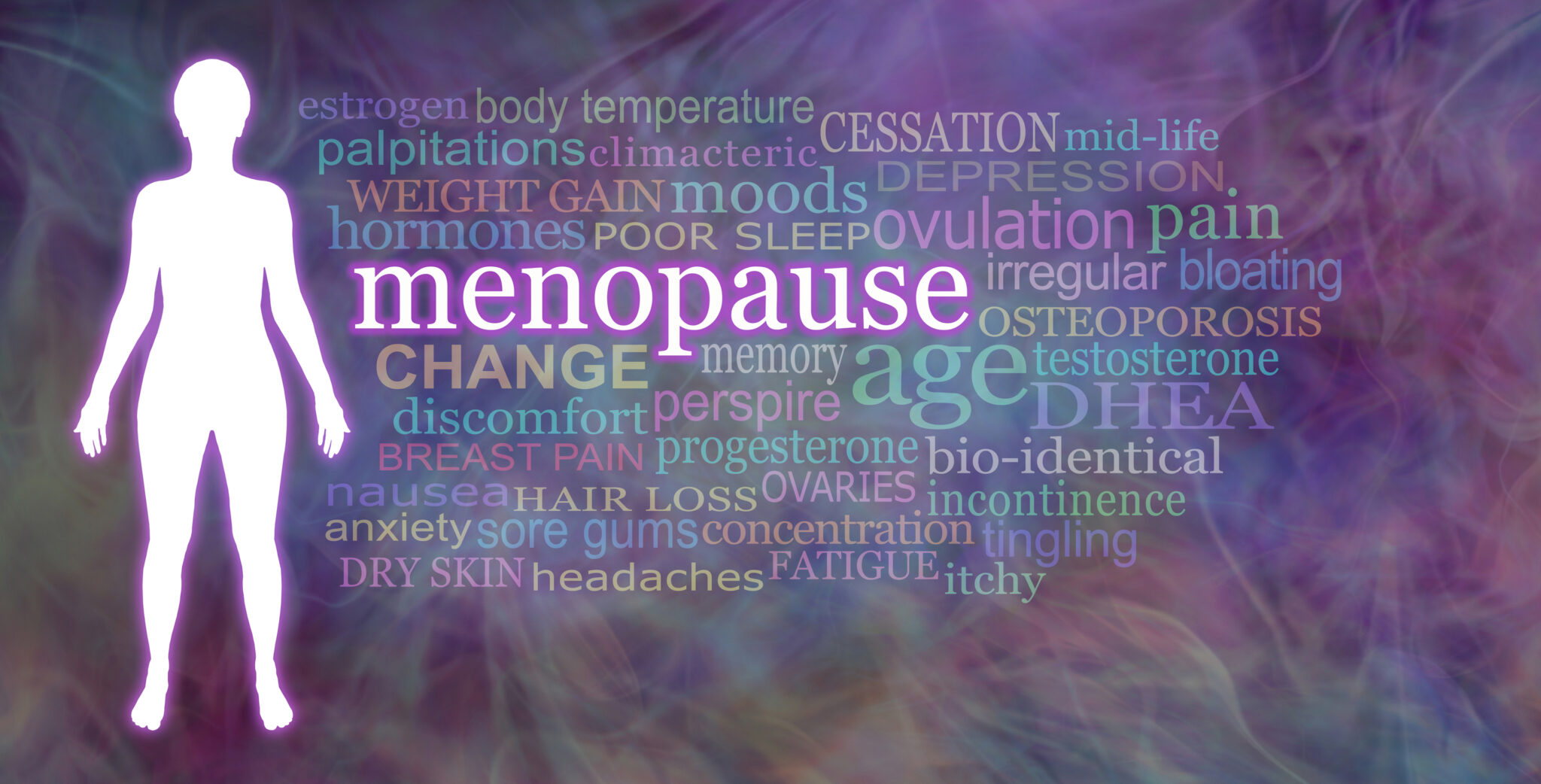
Menopause, The Change, The Midlife Transition, The Pause, Ovarian Retirement, and my personal favourite, Cougar puberty… Whatever your favourite nickname, menopause is not a disease, and it certainly isn’t the beginning of physical decline. But it is a significant physiological transition, and the way we move, exercise and look after our bodies during this time can make an enormous difference to how we feel.
For many women, perimenopause arrives with an unexpected collection of symptoms: disrupted sleep, brain fog, aching joints, unremitting fatigue, changes in body composition, reduced muscle strength and sometimes a frustrating sense that the exercise routines that worked for years are no longer delivering the same results.
The good news? Movement is one of the most powerful tools we have to support women’s health through this transition.
And importantly, it’s not just about moving more. It’s about moving smarter.
What's Happening to Our Bodies During Menopause?
During perimenopause, oestrogen and progesterone levels fluctuate, often unpredictably, before declining as menopause approaches. (Menopause is defined as the day you reach 12 months after your last menstruation, then onwards you are classified as postmenopausal.)
Oestrogen plays an important role in maintaining muscle, bone, connective tissue, joint health and metabolic function. As oestrogen levels decline, women may notice changes in muscle strength, body composition, bone density and joint comfort.
Progesterone plays an important role, particularly in the menstrual cycle and nervous system. As ovulation becomes less regular during perimenopause, progesterone production can decrease or fluctuate significantly. Progesterone and its metabolites interact with brain pathways involved in sleep and relaxation, potentially contributing to changes in sleep quality and wellbeing.
Because these hormones influence so many systems in the body, their changing levels can bring a surprising range of symptoms, including:
- Muscle changes: A gradual reduction in muscle mass and strength, particularly without resistance training.
- Changes in body composition: Increased abdominal fat, sometimes without significant changes in body weight.
- Joint and tendon discomfort: Stiffness, aching joints and reduced tolerance to exercise.
- Bone density changes: Accelerated bone loss around menopause, increasing osteoporosis risk.
- Sleep and energy disturbances: Night sweats, poor sleep and fatigue can make exercise more challenging.
- Pelvic floor symptoms: Urinary leakage, urgency or changes in pelvic support may become more noticeable. Pelvic tissue dryness, sensitivity and pain.
- Changes in libido and sexual function: Sexual desire may decrease for some women, while others experience an increase. Hormonal fluctuations, vaginal dryness, sleep disturbances, mood and relationship factors can all influence sexual wellbeing.
- Digestive and bowel changes: Some women experience increased bloating, constipation or changes in bowel regularity during perimenopause and menopause. Hormonal fluctuations, changes in gut motility, sleep and lifestyle factors may all contribute.
Not every woman experiences these changes, but understanding what’s happening helps us make better decisions about our health and exercise.
Strength Training: Your Menopause Superpower
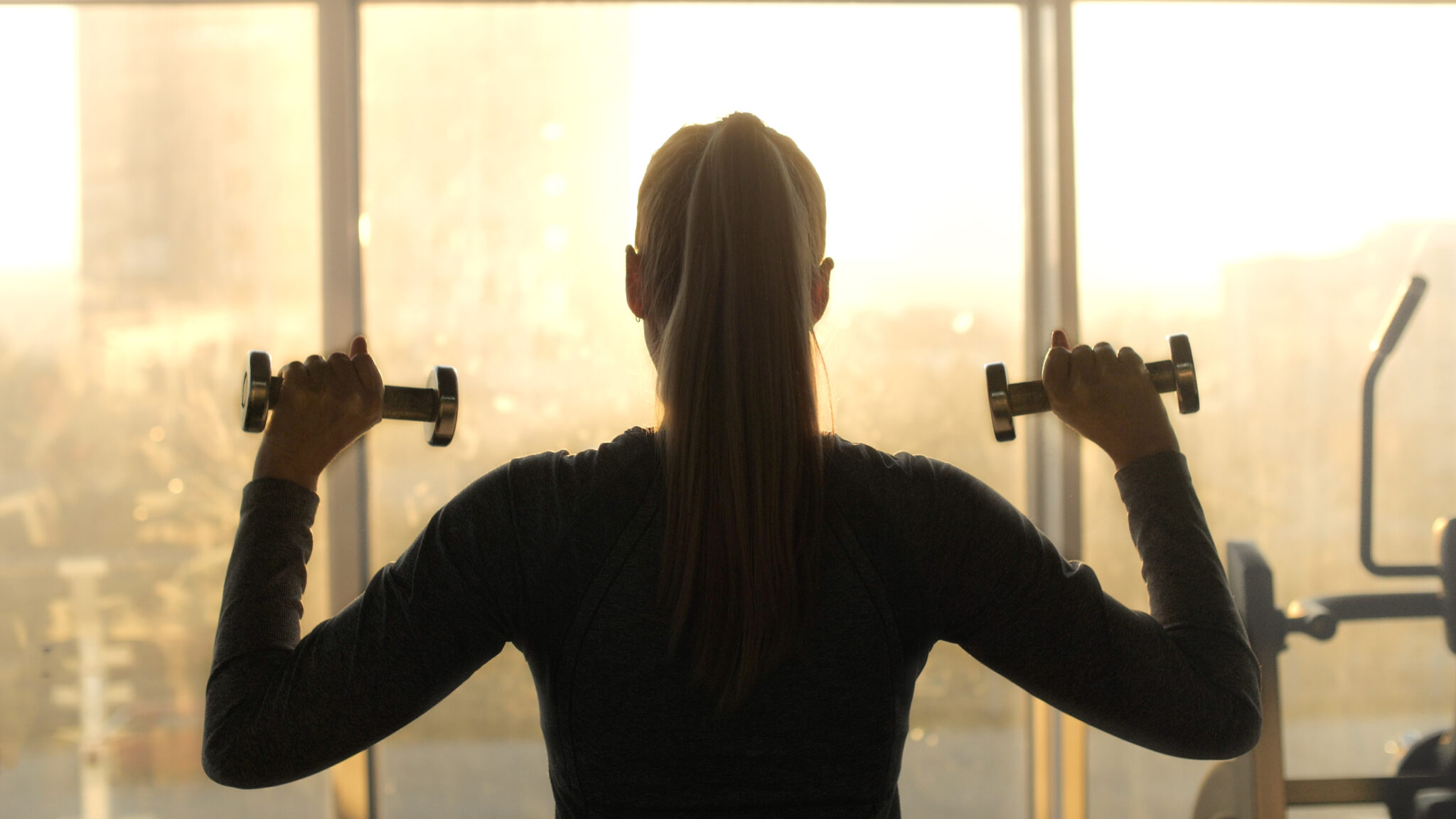
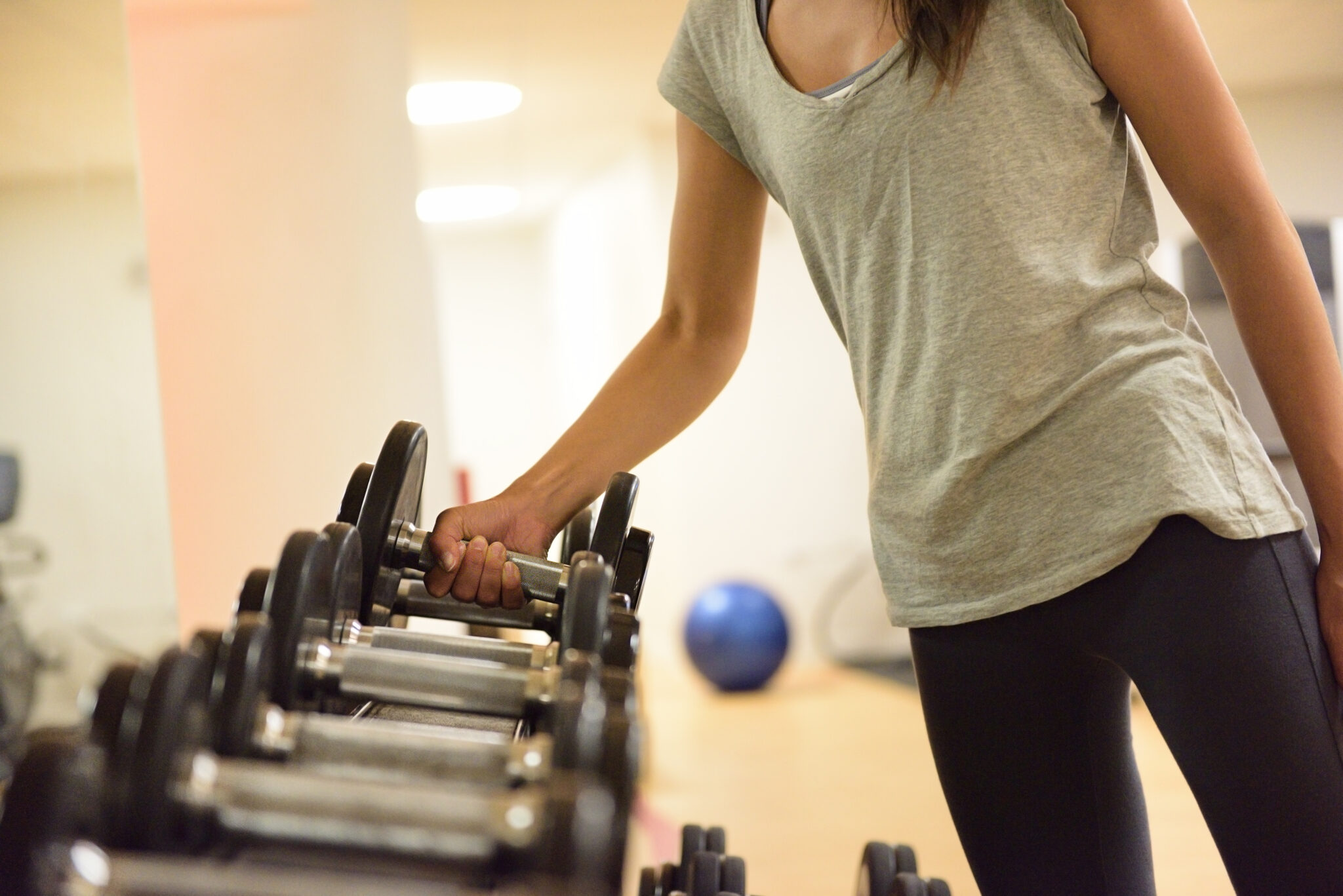
If there is one type of exercise I would encourage every woman to prioritise during perimenopause and beyond, it’s progressive resistance training.
Muscle is so much more than something that makes us look toned. It’s essential for metabolic health, glucose regulation, joint protection, balance and maintaining independence as we age.
And the wonderful thing about muscle? It responds to training at any age.
Research consistently demonstrates that resistance training improves strength and physical function in middle-aged and older adults.
Aim for two to three strength sessions each week, incorporating exercises such as squats, lunges, deadlifts, rows, step-ups and loaded carries.
The key word here is progressive. To build strength, your muscles need sufficient challenge, with resistance gradually increased as your capacity improves.
You don’t need to start lifting enormous weights. You need to start at an appropriate level and build from there.
Exercise for Bone Health During Menopause
Bone is living tissue, and like muscle, it responds to mechanical loading.
Around menopause, declining oestrogen accelerates bone loss. This makes bone-strengthening exercise particularly important.
Walking is excellent for cardiovascular health and wellbeing, but walking alone may not provide enough stimulus to improve bone density at important sites such as the hip and spine.
Depending on your bone health, fitness and injury history, useful activities may include stair climbing, hopping, jumping, skipping, running and progressive heavy resistance training.
Higher-impact activities aren’t appropriate for everyone, particularly women with osteoporosis or previous fragility fractures.
This is where individual assessment matters. Physiotherapists can help determine which exercises are appropriate and how to introduce loading safely.
What About Cardio? Is HIIT the Answer?
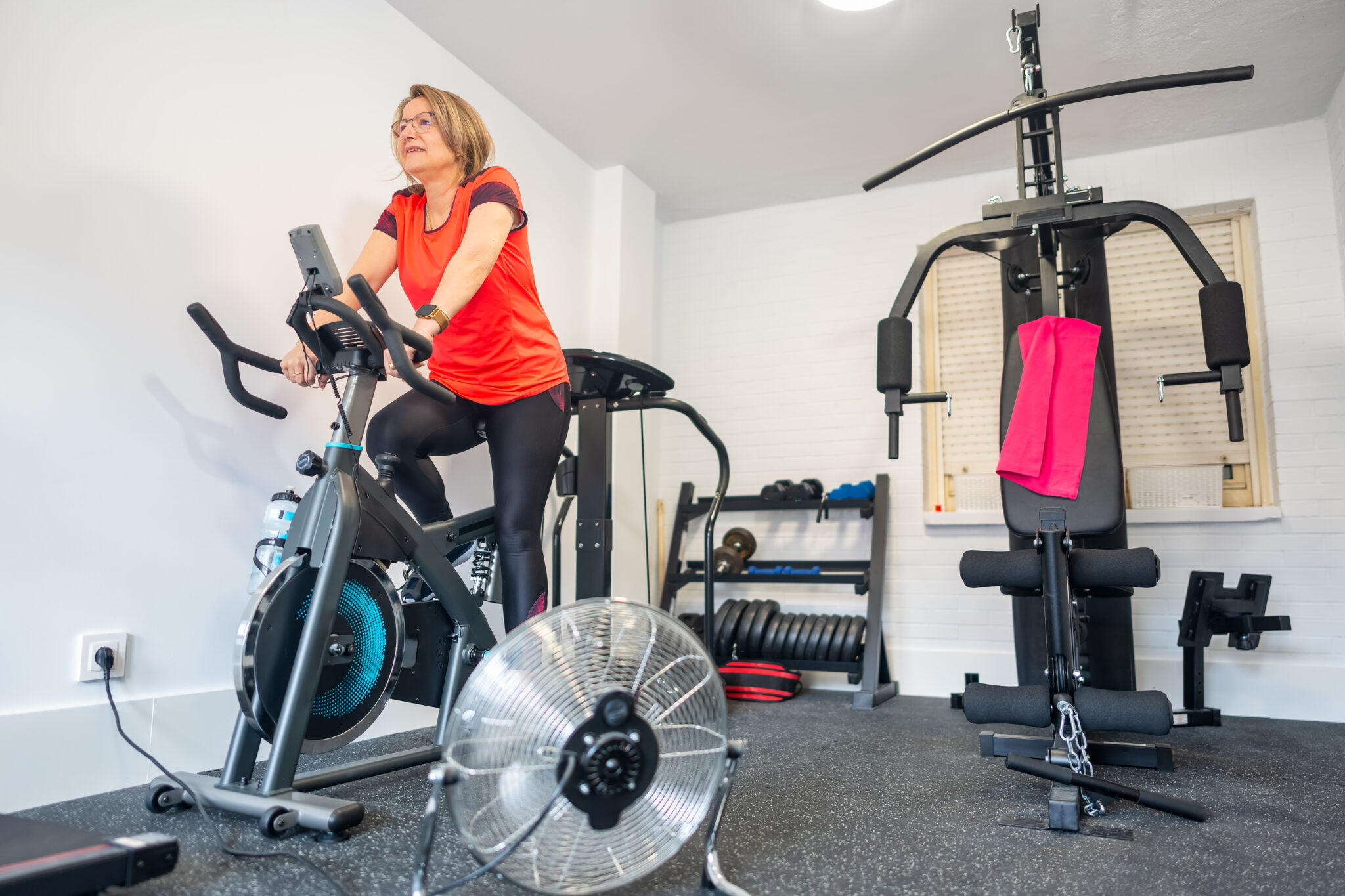
Cardiovascular exercise remains essential during menopause. It supports heart health, metabolic function, mood and aerobic fitness.
A combination of regular moderate-intensity activity and some higher-intensity exercise can be beneficial. High-intensity interval training (HIIT) can be an efficient way to improve cardiovascular fitness, but it isn’t compulsory.
For women struggling with poor sleep, fatigue or persistent pain, recovery needs to be considered.
Australian movement guidelines recommend at least 150 minutes of moderate-to-vigorous activity weekly, alongside muscle-strengthening activities on at least two days.
The best program challenges you appropriately, allows recovery, and is sustainable.
Menopause and Exercise: What Might a Week Look Like?
For a woman already exercising regularly, a balanced week could include:
- Monday: Full-body strength training, 40 minutes.
- Tuesday: Brisk walking or cycling, 30 minutes.
- Wednesday: Strength training and balance exercises.
- Thursday: Walking, swimming or recovery-focused movement.
- Friday: Short cardiovascular intervals, adapted to fitness and symptoms.
- Saturday: Strength training or recreational sport.
- Sunday: Walking, mobility or rest.
This is an example, not a prescription.
Women starting exercise may need a more gradual introduction, while those already active can build intensity progressively.
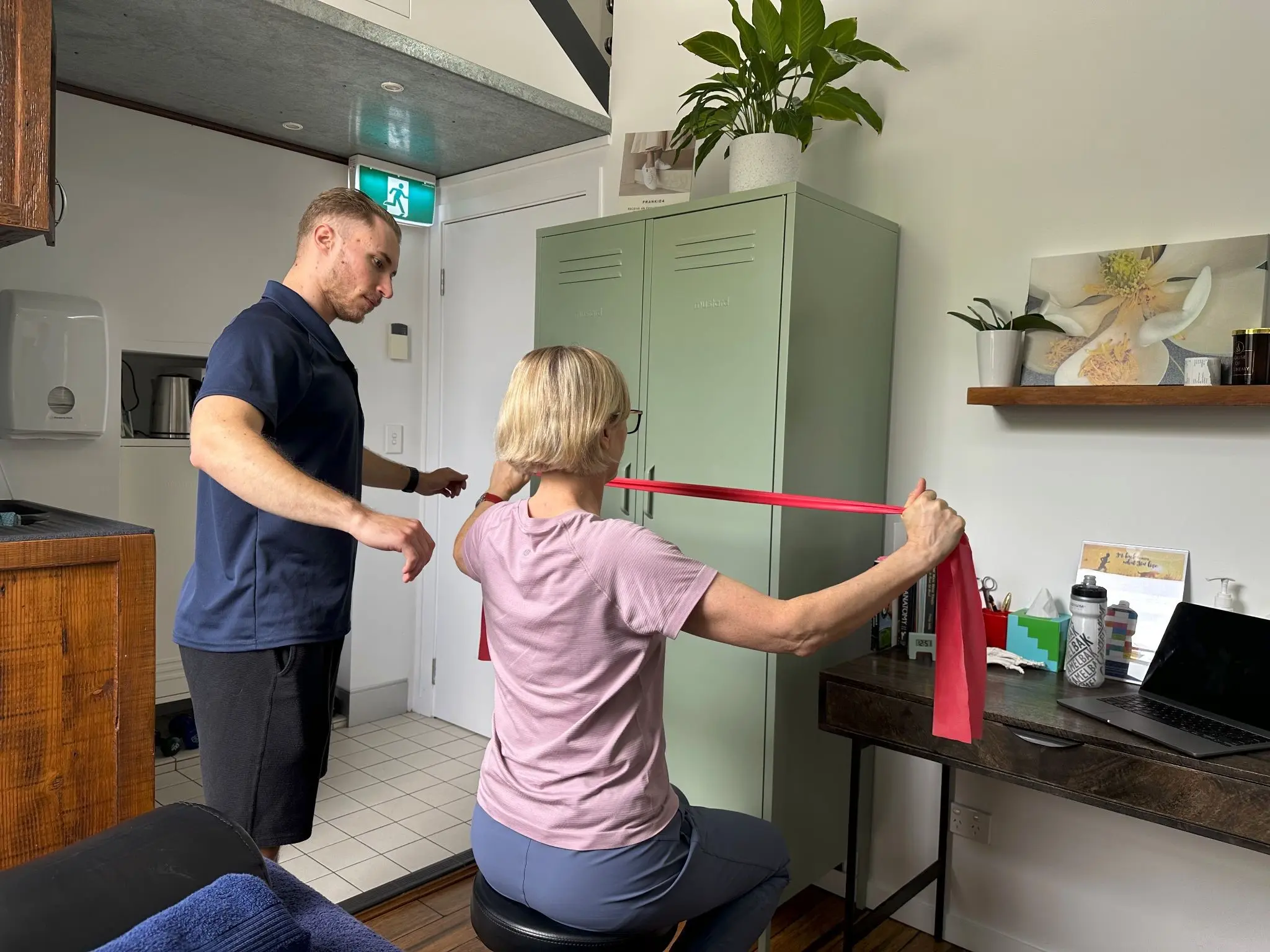
Resistance training has many forms — lifting weights, using gym machines, resistance bands, Pilates reformers… You can choose!
Seeing your Physio or Exercise Physiologist will help you design a program tailored for you.
Can Exercise Help Menopause Symptoms?
Absolutely, although it’s important to understand what exercise can and cannot do.
Regular physical activity has good evidence for improving cardiovascular fitness, strength, physical function, mood and overall wellbeing. It may also support sleep quality and help manage body composition changes.
However, exercise alone is not a reliably effective treatment for hot flushes and night sweats.
Women experiencing significant symptoms may benefit from discussing Menopause Hormone Therapy (MHT) and other evidence-based treatments with their GP.
Exercise is an important part of menopause care, but it doesn’t need to carry the entire load.
How Can Physiotherapy Help During Menopause?
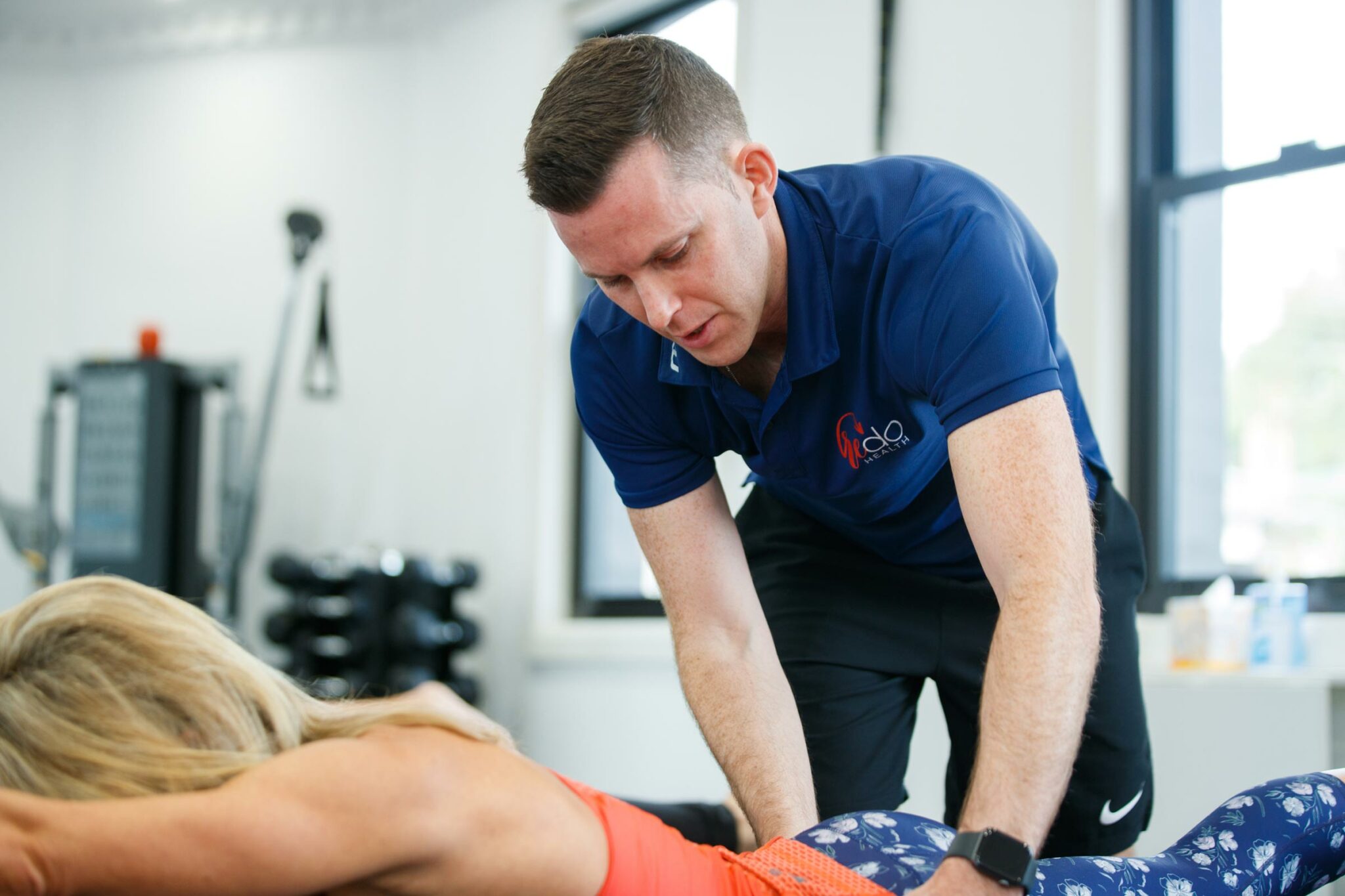
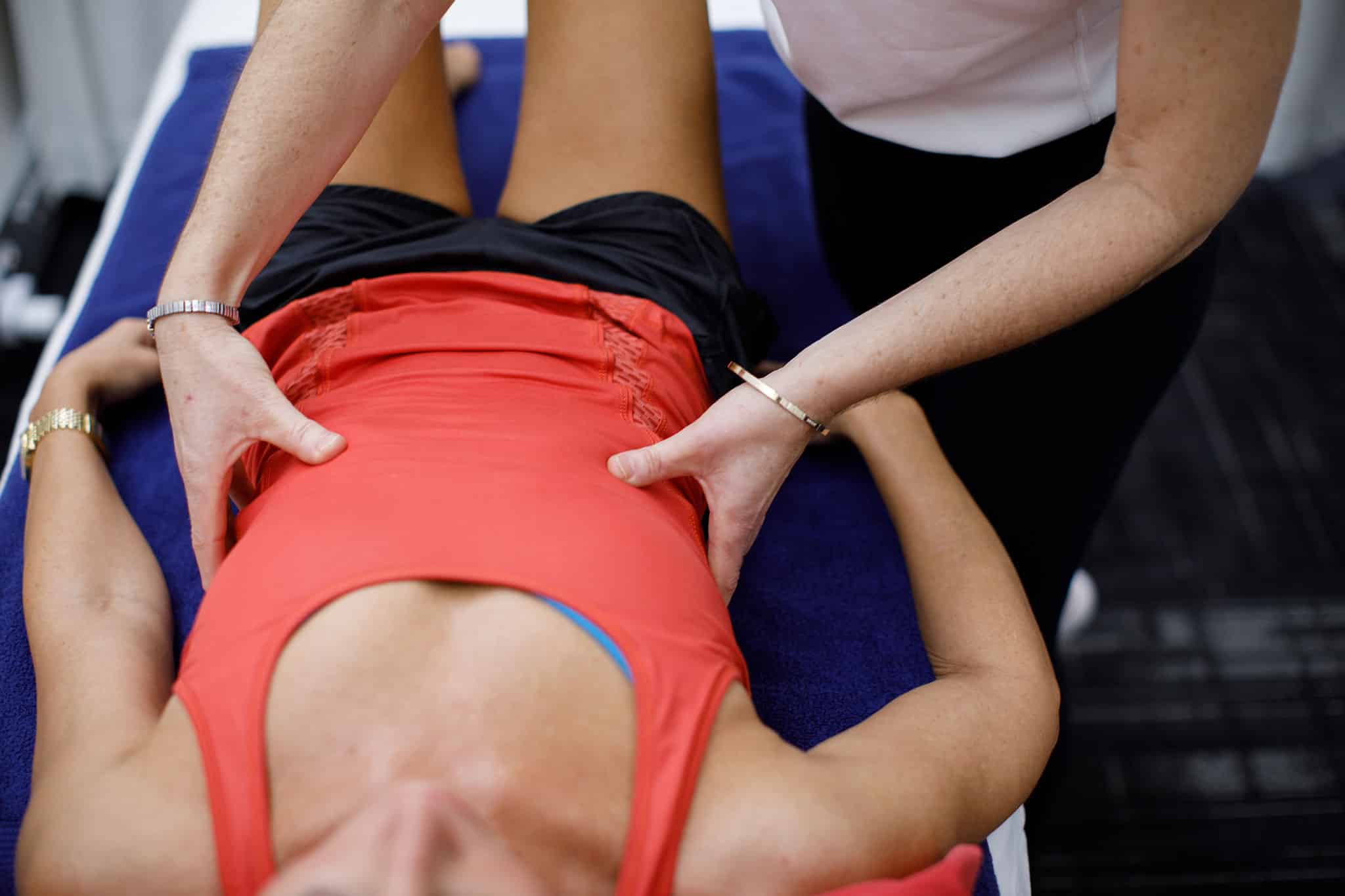
Physiotherapy can play a valuable role in helping women stay active, particularly when symptoms or injuries make movement difficult.
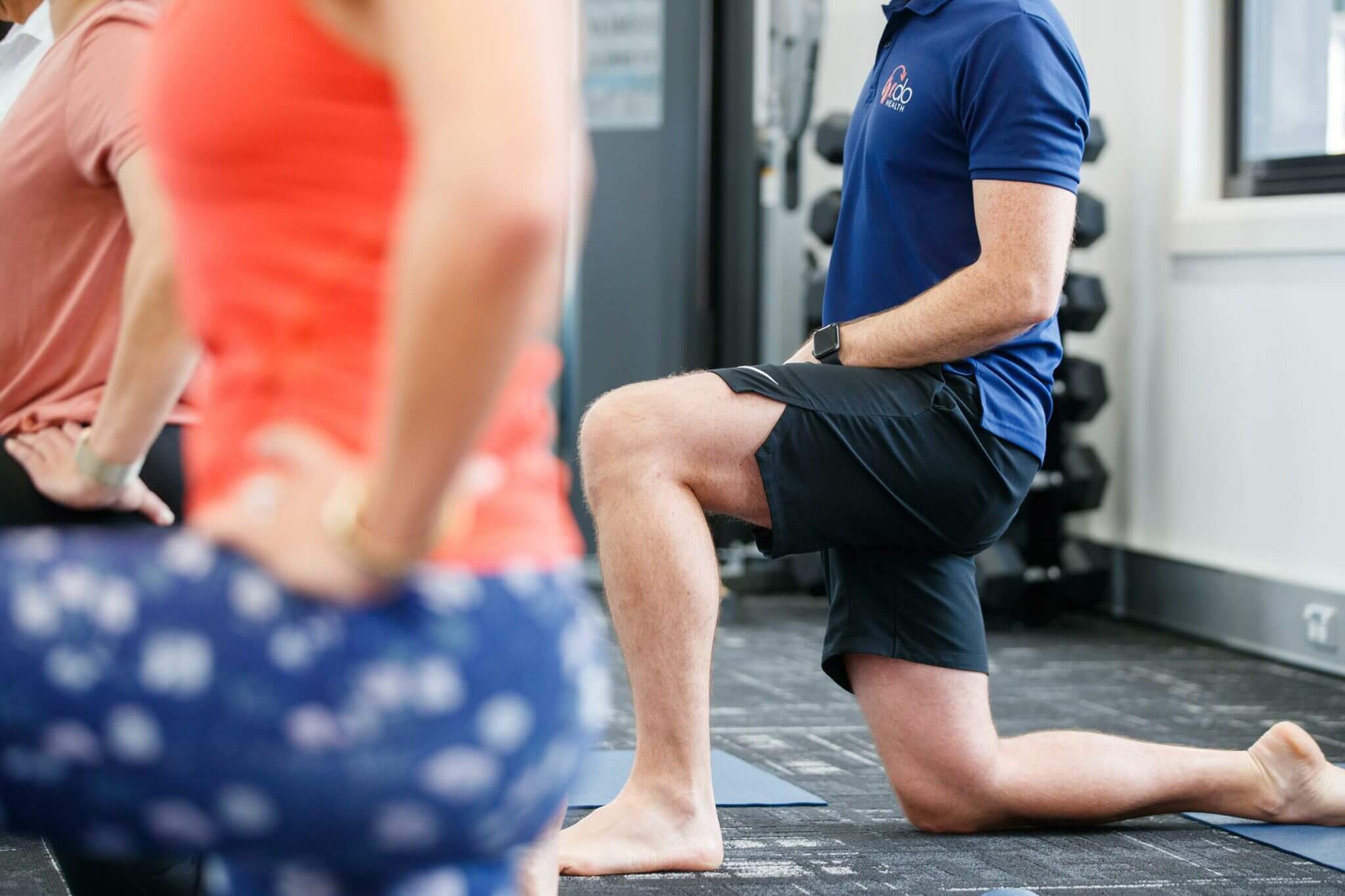
At RedoHealth, physiotherapy can support women experiencing:
Joint and tendon pain: Assessing symptoms and developing progressive loading programs for conditions such as gluteal tendinopathy, Achilles tendinopathy and shoulder pain.
Pelvic floor control changes: Managing urinary leakage, urgency and pelvic floor dysfunction, including symptoms during running, jumping or strength training.
Reduced strength and fitness: Designing individualised programs that build muscle, improve balance and support long-term physical function.
Bone health concerns: Providing appropriate resistance, balance and impact exercise programs for women with low bone density or osteoporosis.
Returning to exercise: Helping women rebuild confidence following injury, inactivity or difficult menopause symptoms.
Sexual health: Supporting women experiencing pelvic floor pain and dysfunction, vaginal discomfort or pain during intercourse. Pelvic health physiotherapy can help address the physical factors affecting sexual comfort and confidence.
Physiotherapy empowers women to build strength, move with confidence and embrace the opportunities of this next stage of life.
With the right guidance and exercise program, women can continue to challenge themselves, stay active and enjoy doing the things they love.
The Take-Home Message: Train for the Decades Ahead
Menopause is an opportunity to rethink how we approach exercise.
Rather than focusing purely on calories burned or the number on the scales, we can shift our attention towards building strength, preserving bone density, improving cardiovascular fitness and maintaining our ability to move well.
You don’t need to train like an athlete. But you do deserve to feel strong, capable and confident in your body.
Lift something heavy enough to challenge you.
Move regularly.
Protect your bones.
Prioritise recovery.
And don’t ignore symptoms that limit your ability to exercise.
Your body is changing, but it is still remarkably adaptable.
How RedoHealth Can Help
Whether you’re experiencing joint or tendon pain, pelvic floor symptoms, or changes in strength and fitness, physiotherapy can help you stay active and feel confident in your body.
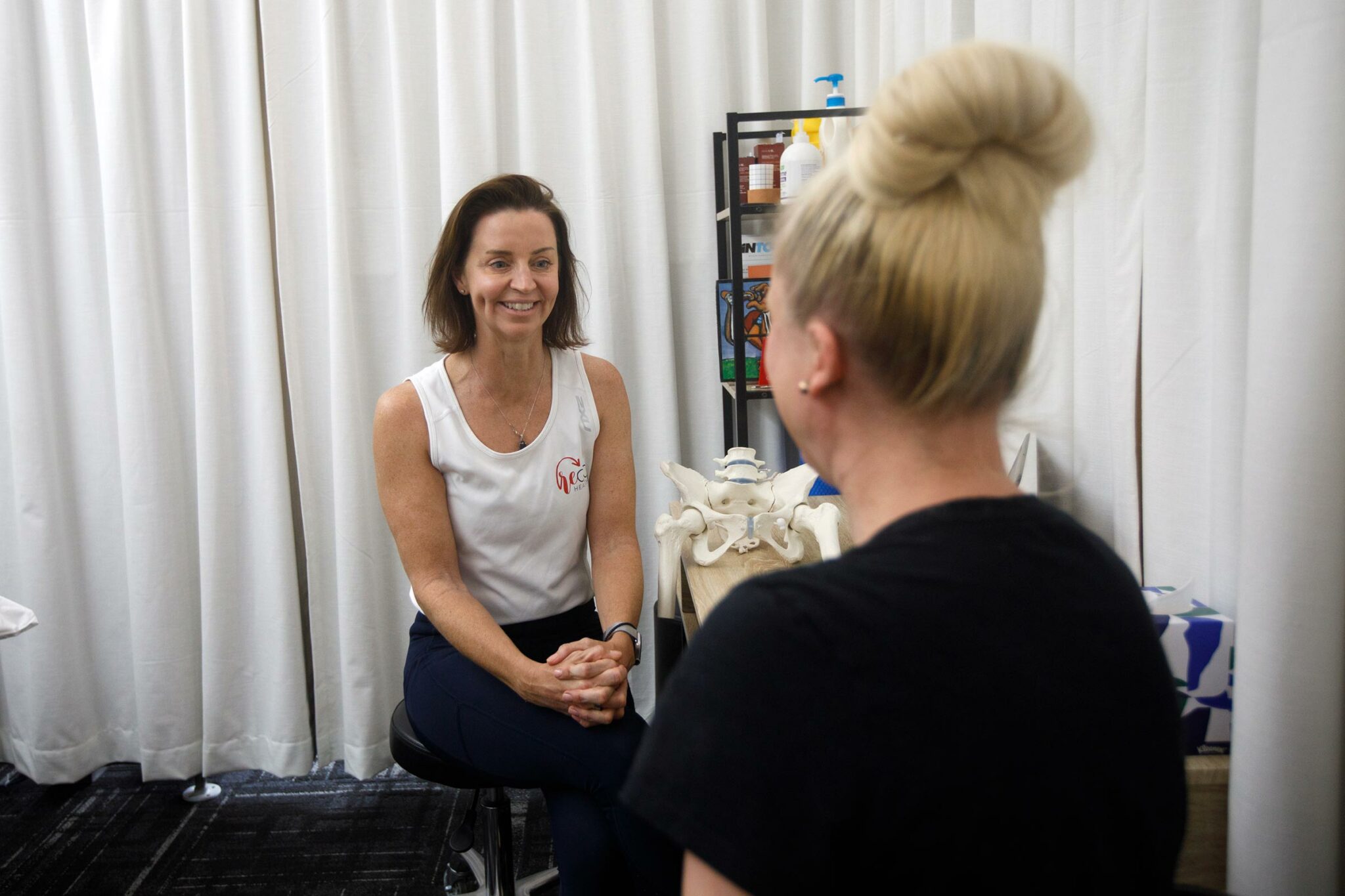
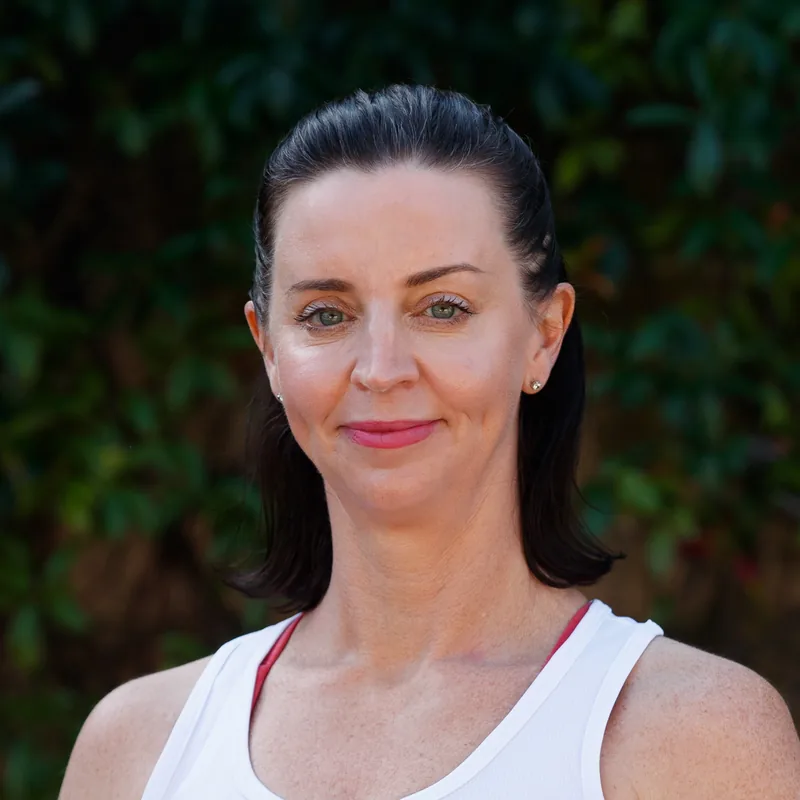
At RedoHealth in Balmain, Jane Le Fevre, our Women’s Health Physiotherapist, provides an individualised, evidence-informed approach to women’s health, offering practical advice and tailored exercise programs to support you through perimenopause, menopause and beyond.
Ready to move with strength and confidence?
Book a physiotherapy assessment with Jane Le Fevre and take the next step towards feeling your best.
References and Further Reading
- Australasian Menopause Society. Lifestyle and behavioural modifications for menopausal symptoms.
- Australasian Menopause Society. Menopause and Bone Health – Decreasing the Risk of Osteoporosis.
- Australian Government Department of Health, Disability and Ageing (2026). Australian 24-hour Movement Guidelines for Adults and Older Adults.
- Australasian Menopause Society. Maintaining Your Weight and Health During and After Menopause.
- Australasian Menopause Society. Decreasing the Risk of Falls and Fractures.
About Jane Le Fevre
About the Author – Jane Le Fevre
Jane Le Fevre is a Senior Women’s Health Physiotherapist at RedoHealth in Balmain, with extensive experience helping women manage musculoskeletal and pelvic health concerns throughout different stages of life.
As a certified ConnectTherapyâ„¢ practitioner, Jane takes a whole-body approach to physiotherapy, considering how movement, strength, posture and other contributing factors influence pain and physical function.
Jane has a particular interest in supporting women through perimenopause and menopause, including managing pelvic floor symptoms, joint and tendon pain, and changes in strength and physical capacity. Her approach combines individualised assessment, education and exercise to help women feel confident, capable and supported in their bodies.