
tendinopathy treatment
Tendinopathy Treatment: How Physiotherapy Can Help Tendon Pain
Have you heard about the mystical Chinese art of Qigong? If you have, I still believe that Qigong may remain something of a mystery to

The short answer
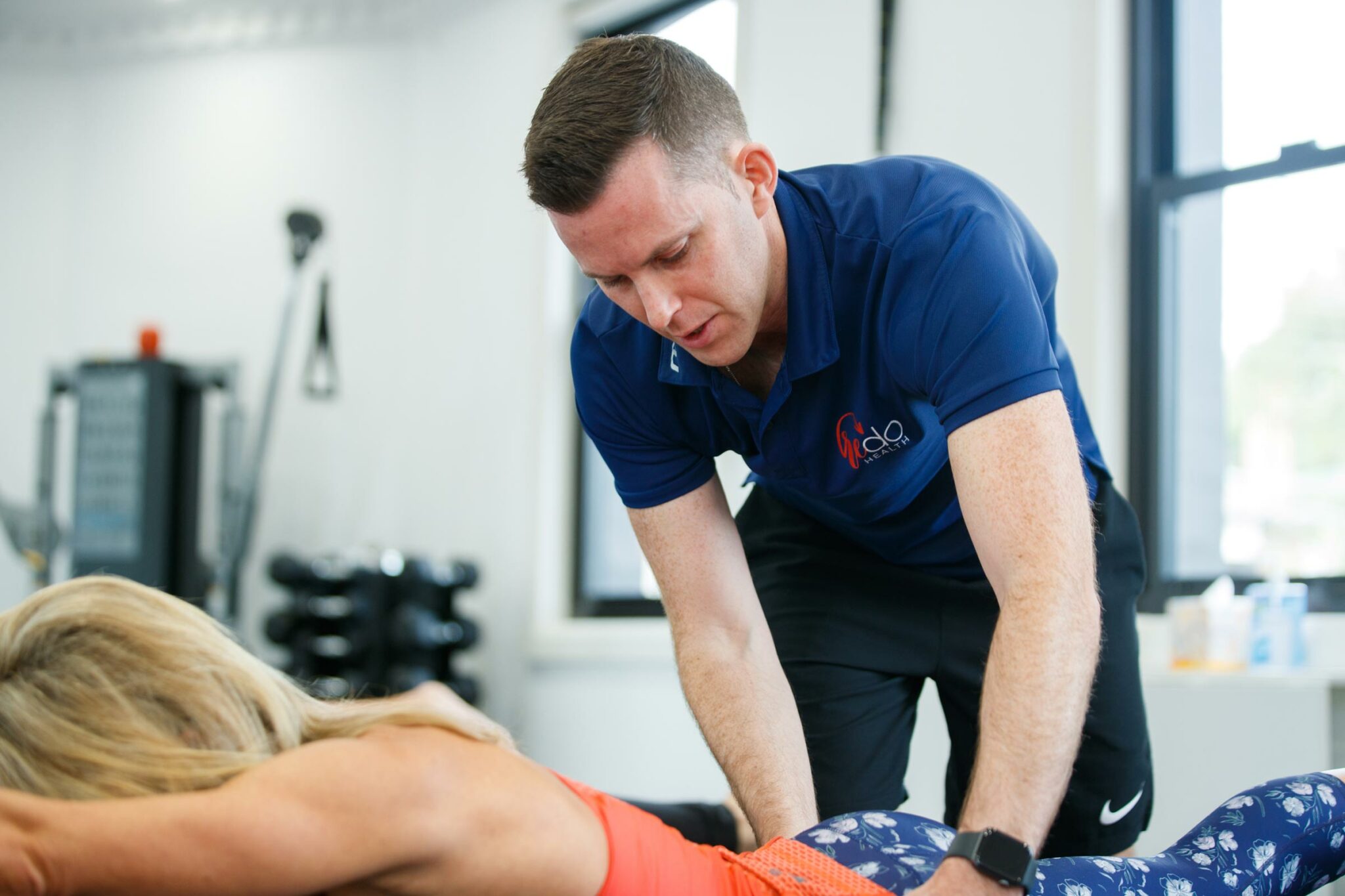
Here is our honest view: you should see a physiotherapist when pain lasts longer than a week or two, keeps coming back, limits what you can do, follows an injury, or simply is not improving on its own. Pushing through is fine for a minor niggle. For a problem that persists or recurs, there is usually a reason behind it, and that reason is worth understanding rather than waiting out.
Most of us are good at waiting. We tell ourselves the ache will settle, the knee will come good, the back will loosen once we get moving. Sometimes it does. But a lot of the people who walk into our Balmain clinic have spent months, occasionally years, working around something that could have been sorted much earlier. This article is not a sales pitch. It is a simple guide to the five signs that mean it is worth getting assessed instead of hoping the problem quietly sorts itself out.
If pain has hung around for more than one to two weeks without clear improvement, have it looked at. Most minor strains and irritations settle inside that window as the tissue calms down and you return to normal movement. When they do not, something is usually getting in the way of recovery.
That something is rarely one damaged structure. It might be how you are loading the area, the way you are moving to protect it, your overall strength and capacity, or how sensitive the area has become. The longer a problem lingers, the more these factors feed into each other. Sort out the picture early and the path back is often shorter and simpler.
Recurring pain is one of the clearest signs that something underneath has not been dealt with. A back that flares two or three times a year. A hamstring that tightens every time you pick up your mileage. A shoulder that grumbles whenever you get back under the bar at the gym. Those patterns are telling you something.
Treat each flare-up on its own and you get short-term relief, nothing more. The more useful question is why the area keeps becoming vulnerable in the first place. Often it comes down to capacity: the demands you are placing on the body are outpacing what it is currently prepared for. A thorough assessment looks at the whole picture, including strength, movement history, previous injuries and how you load the area, so you can break the cycle instead of repeating it. That is a core part of how we approach physiotherapy at RedoHealth.
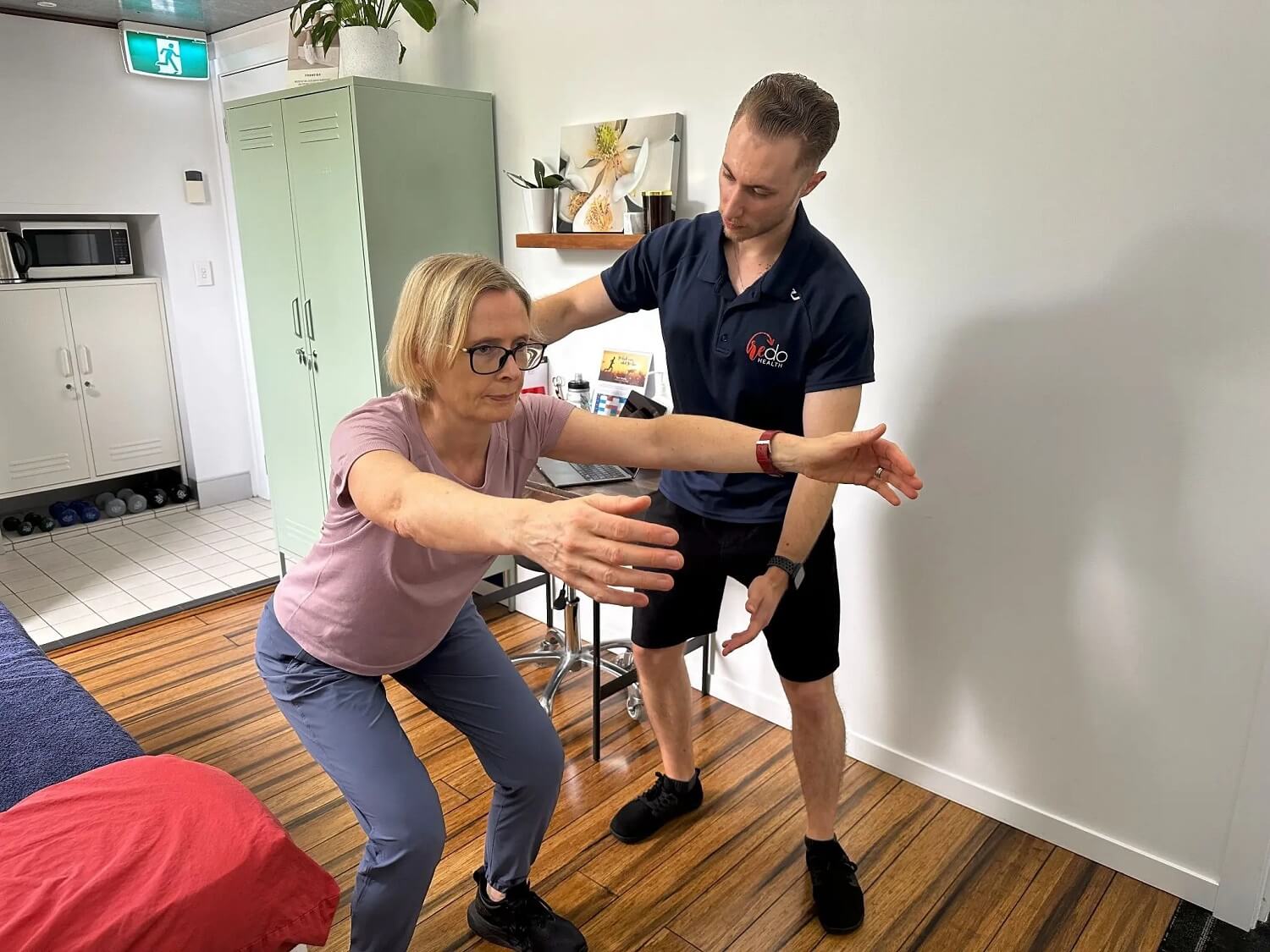
If pain is changing how you live, whether that means avoiding exercise, sleeping poorly, cancelling plans or struggling at work, that alone is reason enough to get help. You do not need to earn the right to be seen by letting things get severe first.
We often hear people play down their situation because they can still get through the day. Getting through is a low bar. If you have stopped doing the Bay Run loop, stopped lifting the grandkids, or you can no longer sleep on your preferred side, the impact is real. Getting those activities back is one of the most important outcomes of good rehabilitation, and it is easier to start sooner than later.
After a defined injury such as a rolled ankle, a tweaked knee, a calf strain or a fall, see a physiotherapist if swelling, weakness, instability or pain is not steadily improving within the first week or two. Early guidance helps you recover well and avoids the long tail of trouble that poorly managed injuries leave behind.
Plenty of injuries heal with time. Here is the catch: healed tissue and restored function are not the same thing. People regularly return to sport or training before they have rebuilt the strength, control and confidence the area needs, and that is often where the next injury, or a lingering sense of fragility, comes from. A clear rehabilitation plan bridges the gap between feeling better and actually being ready. If you are working back towards sport or training, our exercise physiology and clinical exercise services are built to rebuild that capacity in stages.
If you have already tried rest, anti-inflammatories, stretches you found online, or a string of treatments without a clear explanation or lasting change, a proper assessment is usually the missing piece. Persistent pain is rarely explained by one structure, one muscle or one quick fix.
This is the group we spend much of our time with. People who have been passed around, told different things, and are understandably over it. The value here is not another passive treatment. It is taking the time to understand your situation: how your symptoms behave, what settles them and what stirs them up, and which factors across your body and your life are contributing. From there, a plan built around progressive strength and a gradual return to activity usually does far more than chasing symptoms. Our longer appointment times and whole-body approach exist for exactly this kind of problem.

Pushing through makes sense for everyday aches that clear quickly. It becomes a problem when it means ignoring signals, avoiding movement out of fear, or repeatedly loading an area that is not ready for it. Grinding through pain and stopping everything are both poor plans on their own.
The better path usually sits between the two, and we think of it in three steps:
That is how you move from short-term relief towards genuine, lasting improvement. It is also the same logic behind our strength classes, healthy bones programs and clinical exercise sessions for adults managing osteoporosis, osteoarthritis and healthy ageing.
Summary
If a few of these signs sound familiar, it may be time for a proper look at what is going on. Book an assessment with RedoHealth in Balmain and we will take the time to understand your situation and map out a clear path forward.
If pain has not clearly improved within one to two weeks, keeps returning, or is limiting your activities, it is worth getting assessed rather than waiting longer.
Usually neither extreme works best. Short-term modification followed by gradual, guided return to movement and strength tends to give better results than complete rest or pushing through.
Yes. Persistent pain rarely has a single cause. A thorough, whole-body assessment can identify contributing factors and build a plan to improve your function, strength and confidence over time.
No. In Australia you can see a physiotherapist directly without a doctor’s referral. You may need one for certain funding arrangements, but not for a standard appointment.
This article is general information only and not medical advice. Speak with a qualified practitioner about your individual circumstances.
Have you heard about the mystical Chinese art of Qigong? If you have, I still believe that Qigong may remain something of a mystery to

Have you heard about the mystical Chinese art of Qigong? If you have, I still believe that Qigong may remain something of a mystery to

Have you heard about the mystical Chinese art of Qigong? If you have, I still believe that Qigong may remain something of a mystery to