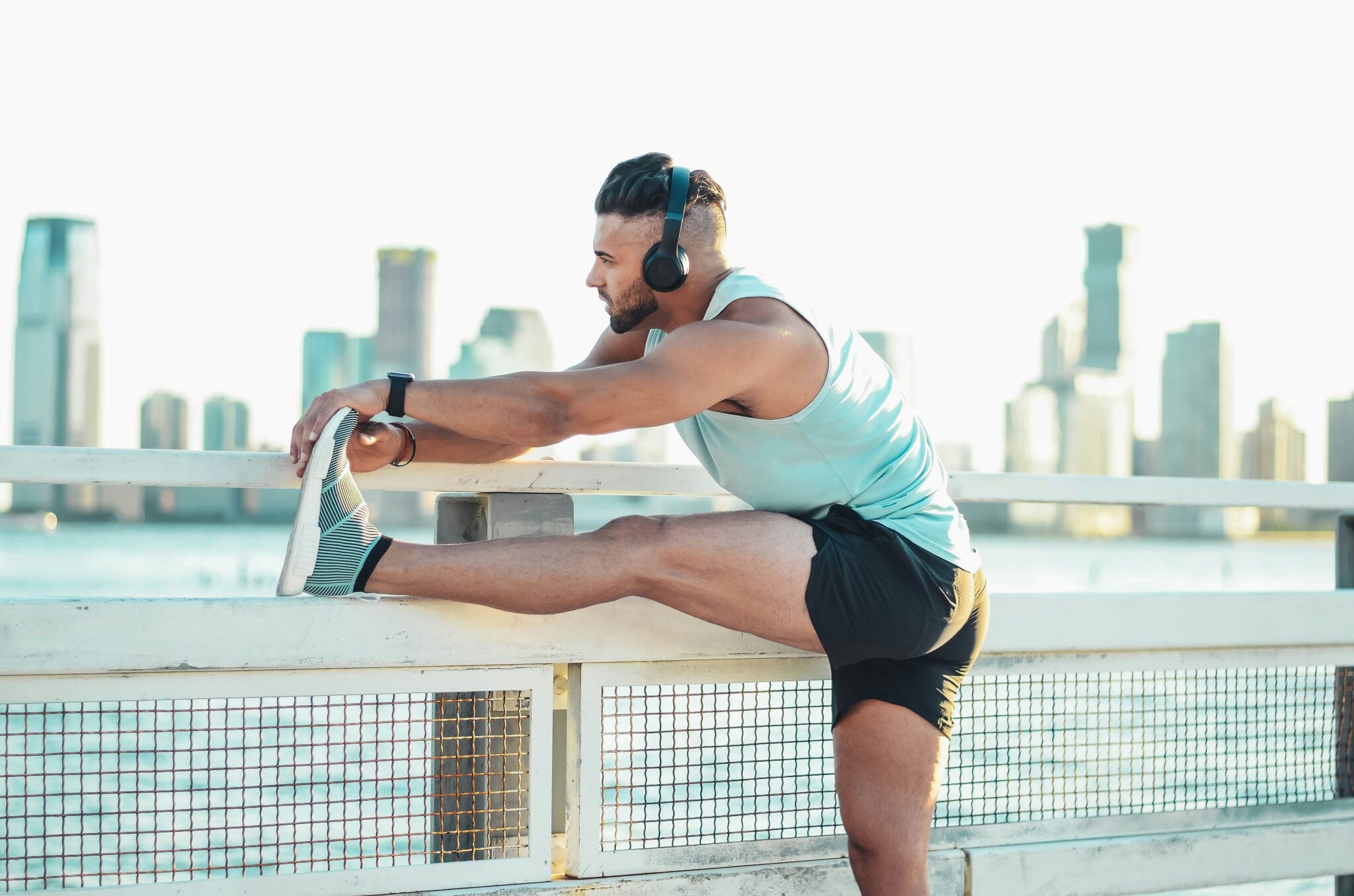
Running is one of the most popular ways to stay fit, with around 3.5 million Australians running every year. Whether you’re training for your first 5 km, preparing for a marathon, or simply enjoying regular runs around your local area, injuries can interrupt your progress.
This guide looks at why running injuries happen, the most common injuries we see, how they’re treated, and what you can do to reduce your risk of injury.
Why Do Running Injuries Happen?
Running injuries are rarely caused by one single factor. More often, they develop when the body’s ability to recover can’t keep up with the demands being placed on it.
Common contributors include:
-
- Training errors such as increasing running distance, frequency or speed too quickly.
- Sudden spikes in training load rather than gradual progression.
- Lack of strength or mobility, making the body less prepared for the demands of running.
- Previous injuries that haven’t fully recovered.
- Poor recovery between runs, including inadequate sleep, nutrition or rest.
Common Running Injuries
Runner’s Knee (Patellofemoral Pain Syndrome)
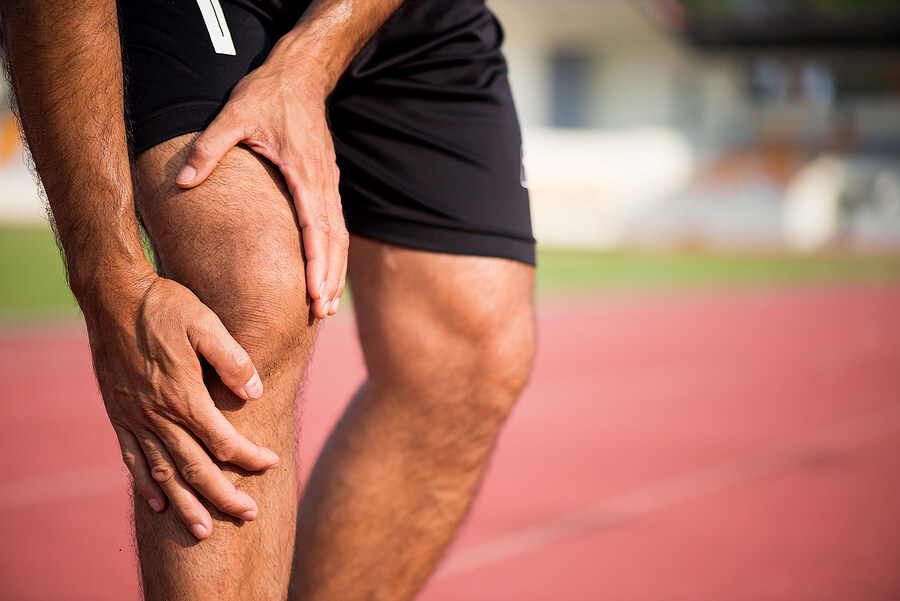
Runner’s knee is one of the most common overuse injuries and often develops after a sudden increase in running volume or intensity.
Symptoms include:
- A dull ache around the kneecap.
- Pain when squatting, climbing stairs or sitting for long periods.
- Clicking or grinding around the knee.
Treatment focuses on reducing irritation, improving hip and knee strength, managing training load and gradually returning to running.
Achilles Tendinopathy
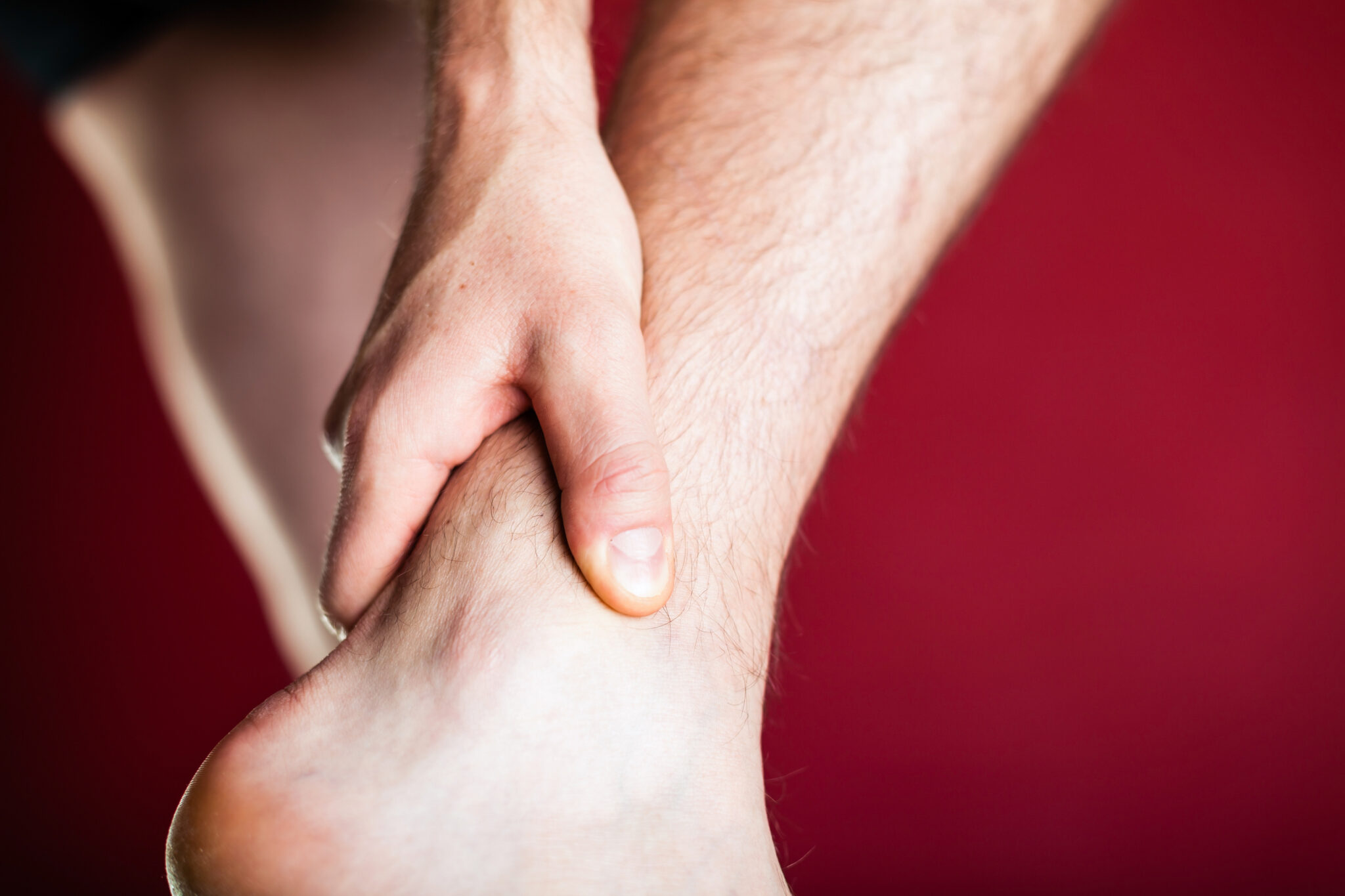
Achilles tendinopathy is an overload injury where the tendon becomes irritated after being exposed to more load than it can tolerate.
Symptoms include:
- Pain or stiffness around the Achilles tendon.
- Symptoms that are worse first thing in the morning or after periods of rest.
- Pain that often settles once you warm up.
Treatment involves managing training load and progressively strengthening the calf muscles to improve the tendon’s capacity to handle running.
Plantar Heel Pain (Plantar Fasciitis)
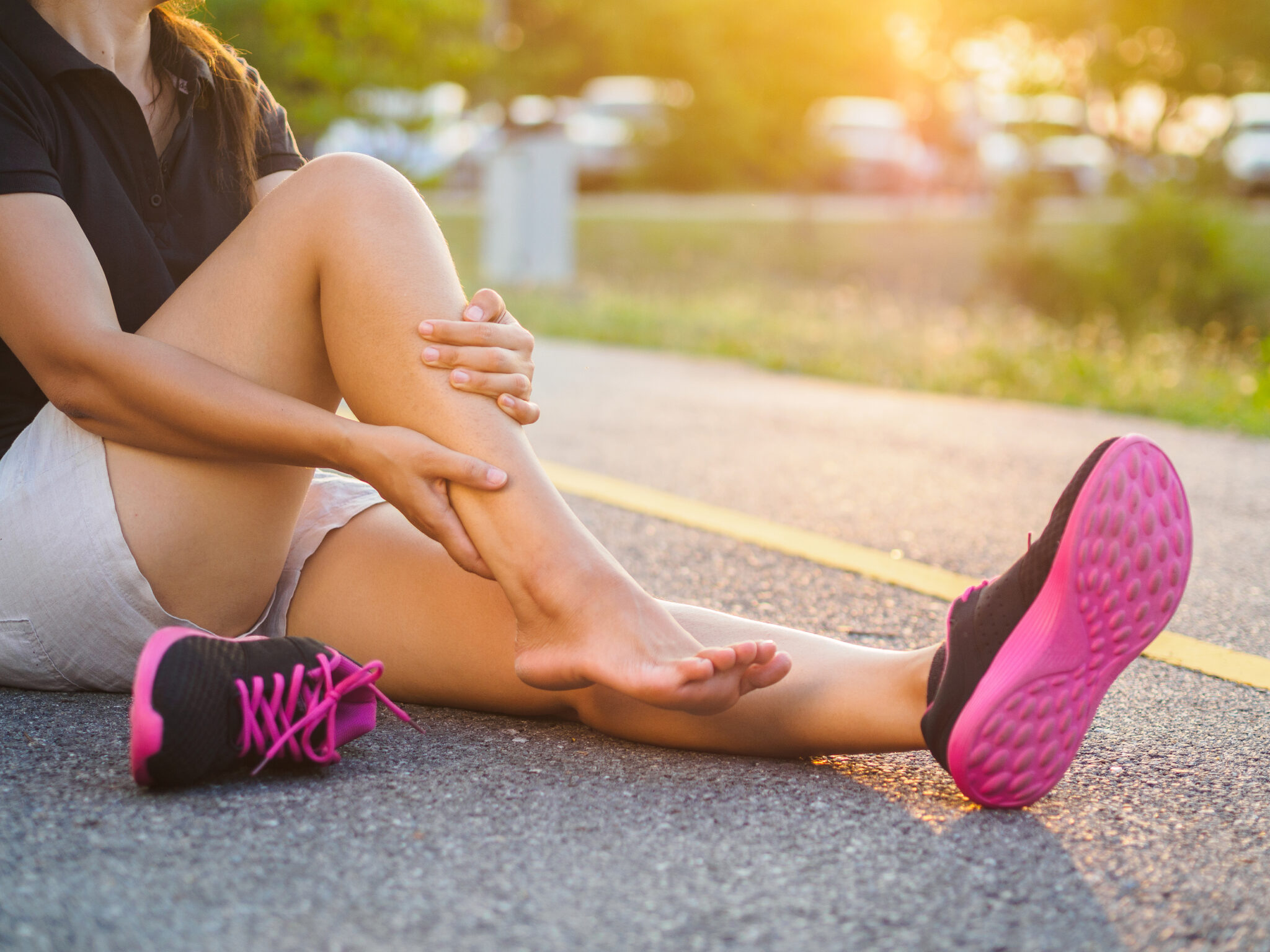
Plantar heel pain occurs when the plantar fascia—the thick band of tissue supporting the arch of the foot—becomes irritated from repeated loading.
Symptoms include:
- Sharp pain under the heel when taking your first steps in the morning.
- Pain after long periods of sitting.
- Symptoms that improve once you get moving.
Treatment includes activity modification, improving calf and foot strength, restoring ankle mobility and gradually returning to running.
Shin Splints (Medial Tibial Stress Syndrome)
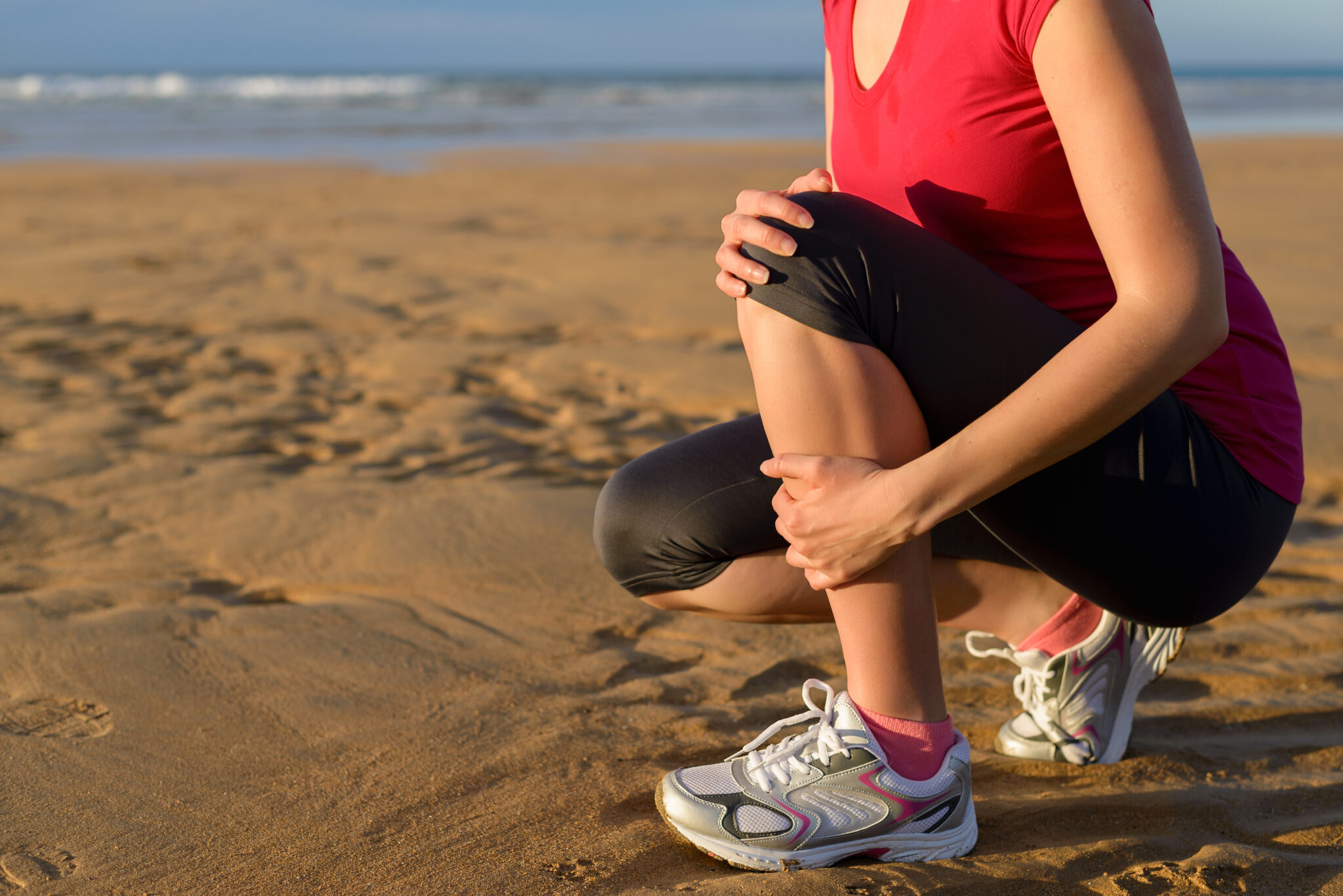
Shin splints commonly develop after increasing running distance or frequency too quickly.
Symptoms include:
- Pain or aching along the inside of the shin.
- Tenderness when pressing on the shin.
- Pain that initially occurs during running but may persist if ignored.
Treatment focuses on modifying activity, improving lower limb strength and gradually rebuilding running tolerance.
Muscle Strains
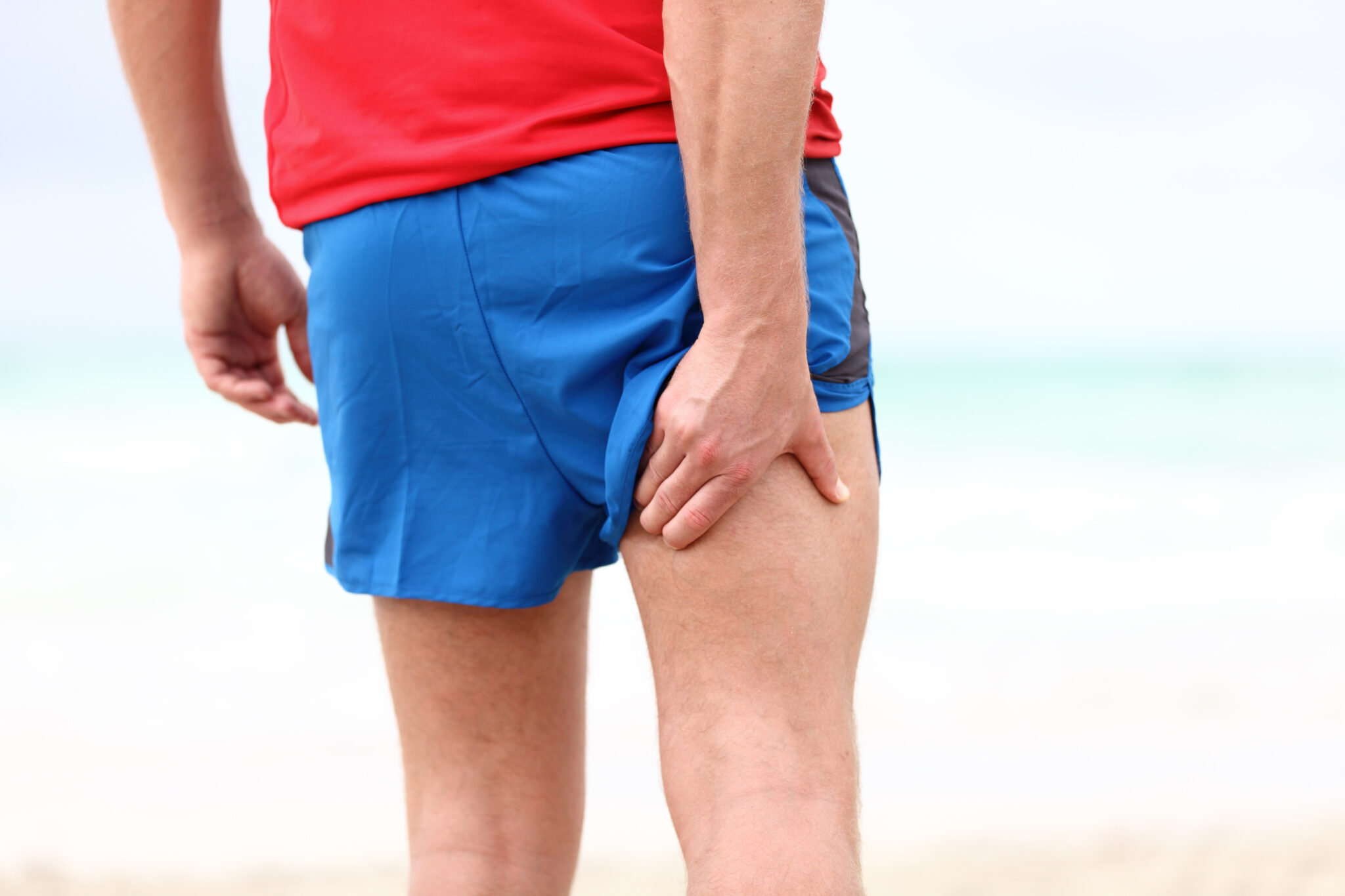
Muscle strains are one of the most common soft tissue injuries in runners and can affect the calves, hamstrings, quadriceps, hip flexors or adductors.
Symptoms include:
- Pain and tenderness.
- Bruising.
- Reduced strength.
- Occasionally a popping sensation at the time of injury.
Most muscle strains recover well with appropriate rehabilitation and a graded return to running.
Common Running Injuries
While not every injury can be prevented, these simple strategies can reduce your risk:
- Increase your running gradually and avoid sudden spikes in distance, speed or intensity.
- Include strength training 2-3 times per week to improve your body’s capacity to tolerate running.
- Prioritise sleep, nutrition and recovery between sessions.
- Listen to your body—persistent pain is worth addressing early.
- Don’t ignore small niggles. Early treatment is often quicker and easier than waiting until the injury becomes more severe.
Our Approach
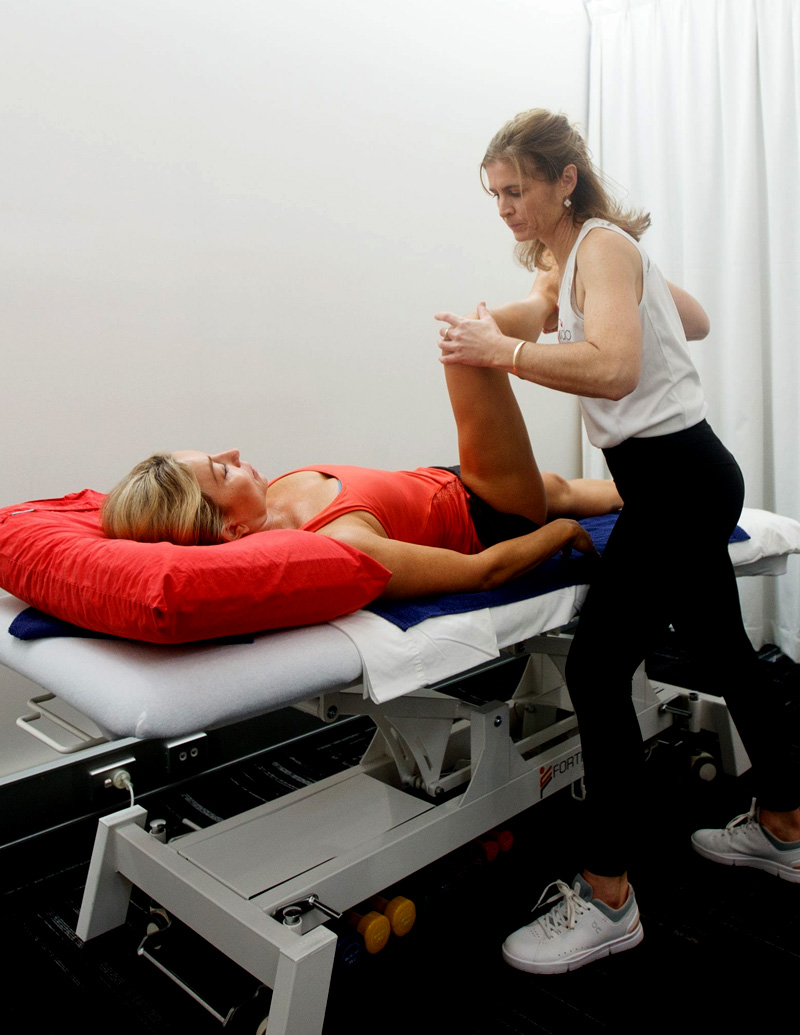
Recovery isn’t just about resting and hoping the pain settles.
Whether your goal is to enjoy pain-free runs around your local area or complete the Sydney Marathon, our physiotherapists will guide you every step of the way.
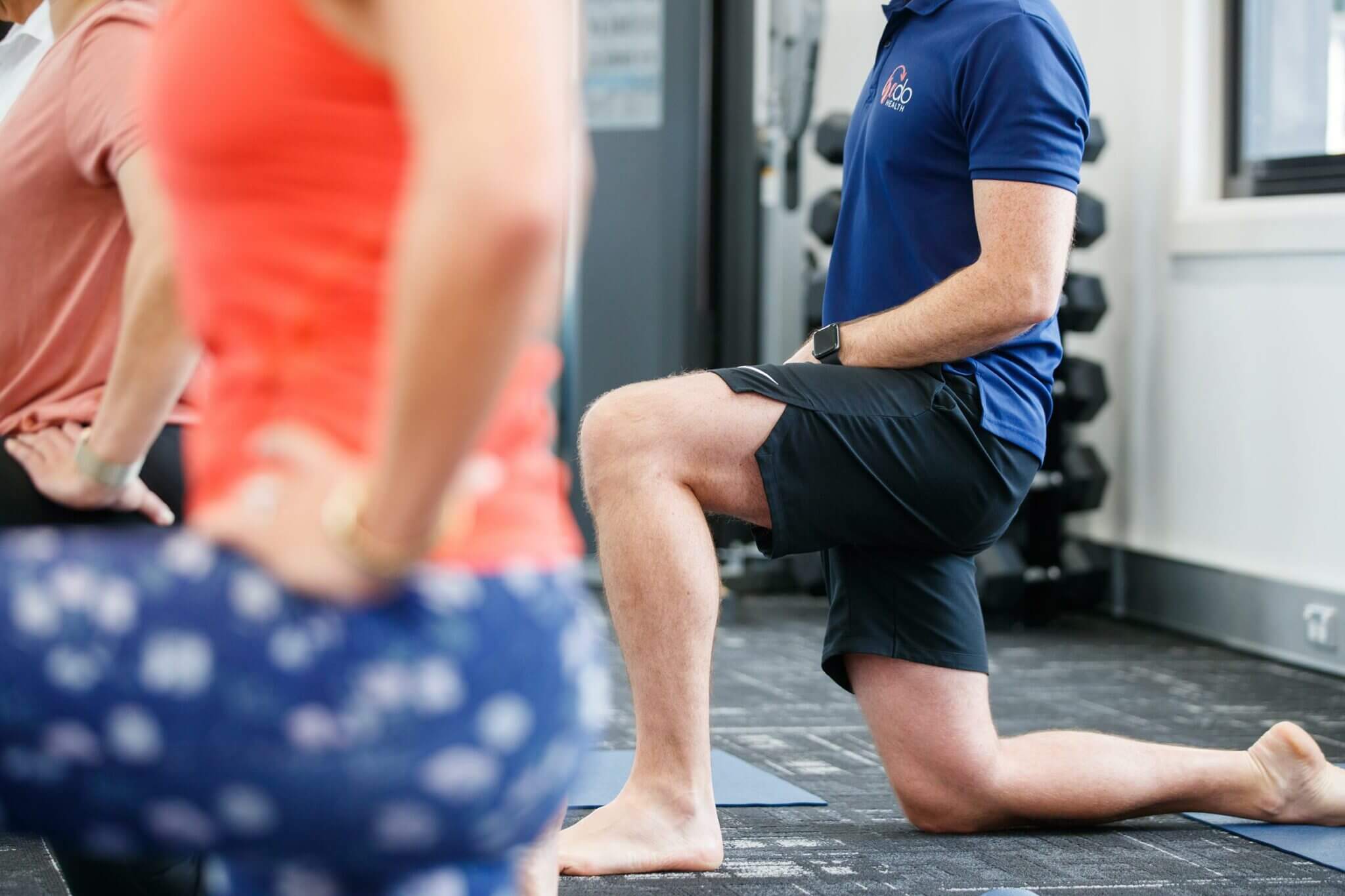
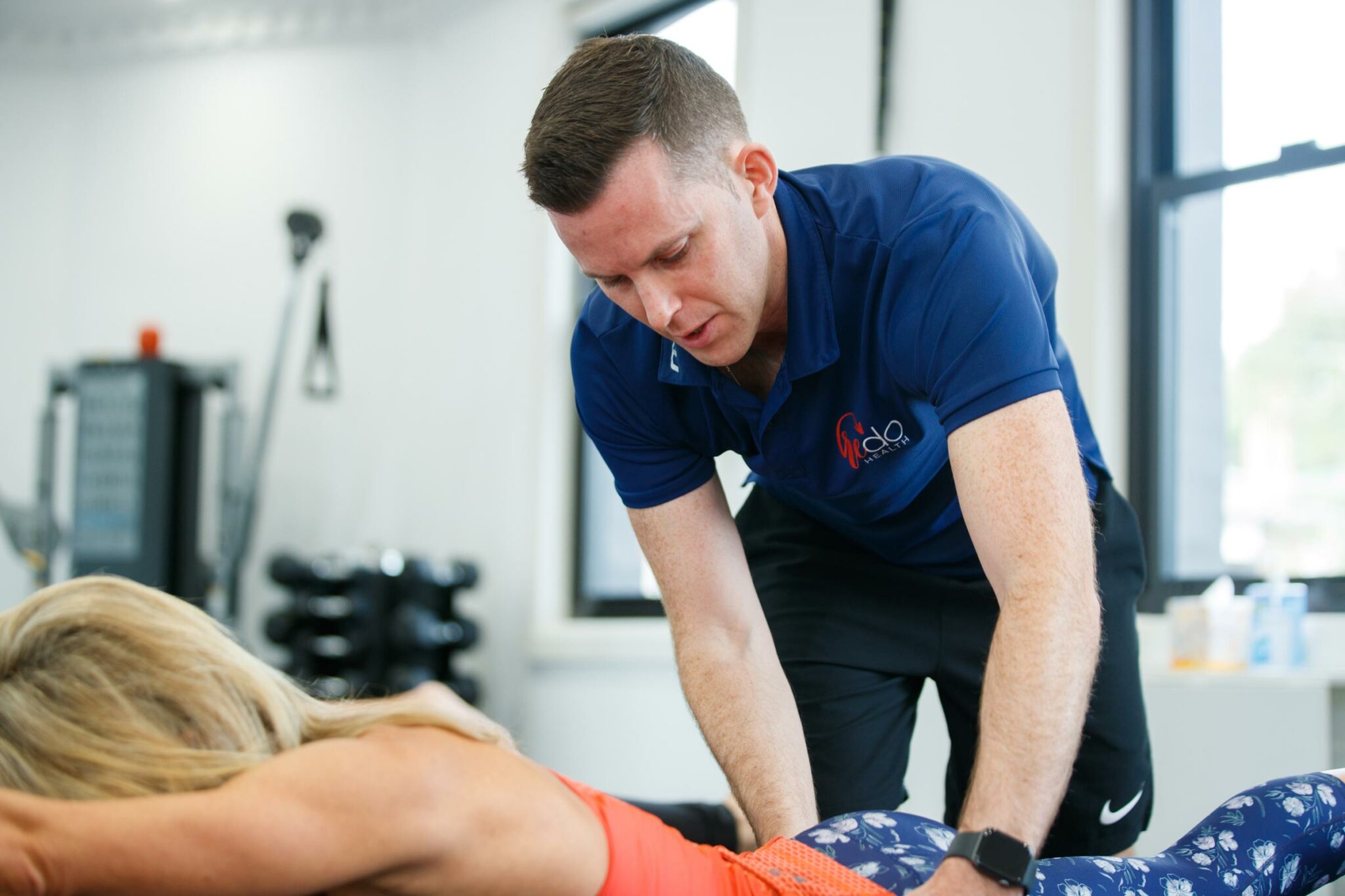
At RedoHealth, we don’t just treat the painful area. We assess your body as a whole to identify the underlying factors contributing to your injury, including strength, mobility, movement patterns and training load. By addressing the root cause—not just the symptoms—we aim to help you recover, perform better and reduce the risk of future injuries.
Our rehabilitation includes:
Graded Rehabilitation
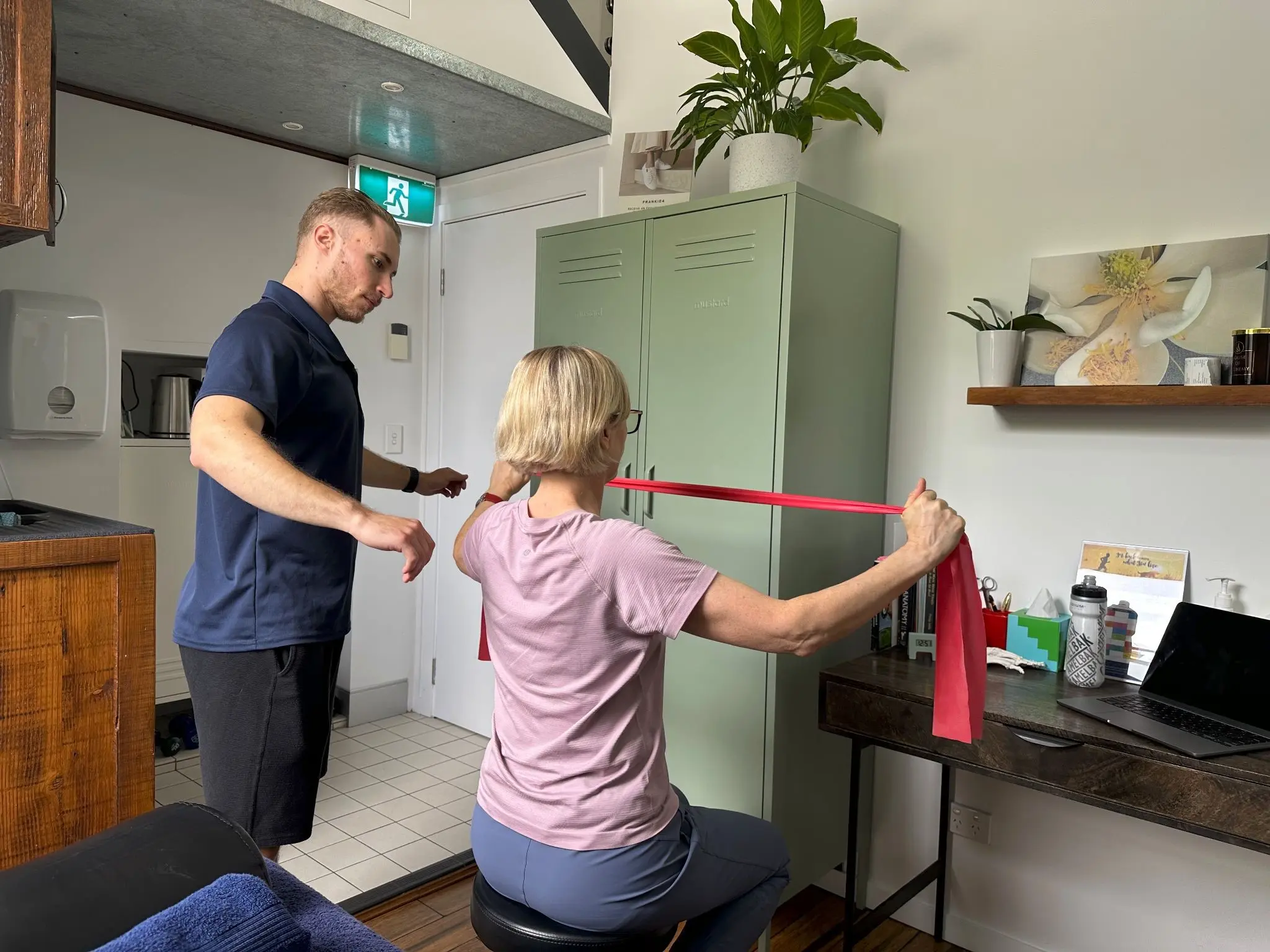
Recovery shouldn’t be rushed. We’ll develop a step-by-step plan that safely progresses your running while rebuilding confidence.
Strength Training
Targeted strengthening improves the body’s ability to tolerate running loads and helps reduce the likelihood of future injuries.
Objective Progress Measures
Where appropriate, we use strength testing, movement assessment and functional milestones to monitor your progress and ensure you’re ready to return to running safely.
Ready to Get Back to Running?
Whether you’re dealing with heel pain, Achilles pain, runner’s knee or another running-related injury, our physiotherapists can help identify the cause of your symptoms and develop a personalised rehabilitation plan.
Book an appointment with one of our physiotherapists today and let’s help you get back to doing what you love.