Tendon pain is something we commonly see in physiotherapy, particularly in people returning to sport, increasing their training, starting a new activity or dealing with an injury that just doesn’t seem to settle.
You may notice pain during exercise, stiffness when you first get moving, or discomfort that keeps coming back whenever you try to increase your activity.
So, what exactly is happening — and what does tendinopathy treatment involve?
Tendons are strong bands of connective tissue that connect your muscles to your bones and help transfer the force needed to move. When a tendon is exposed to more load than it can comfortably tolerate, it can become painful and irritated. This is known as tendinopathy.
Tendinopathy can cause pain, stiffness and difficulty with certain movements or activities. Although it can be frustrating, tendons can adapt and become stronger with the right amount of exercise and gradual loading.
Understanding what is happening, managing the load on your tendon and gradually rebuilding its capacity are important parts of successful tendon rehabilitation.
What causes tendinopathy?
Tendinopathy commonly develops when the demands being placed on a tendon exceed what it is currently able to tolerate.
This can happen after increasing your running distance, returning to sport after a break, changing your training intensity, starting a new activity or simply doing more than your body has been accustomed to.
Sometimes the onset is more sudden. Other times, tendon pain develops gradually and becomes more noticeable over time.
If a tendon is particularly irritated, we may temporarily reduce or modify the activities that are aggravating it while introducing appropriate exercises.
This doesn’t necessarily mean stopping everything.
In many cases, you can continue with other activities and forms of exercise that don’t place excessive stress on the affected tendon. Your physiotherapist can help determine what you can safely continue doing while symptoms settle.
How does physiotherapy help with tendinopathy treatment?
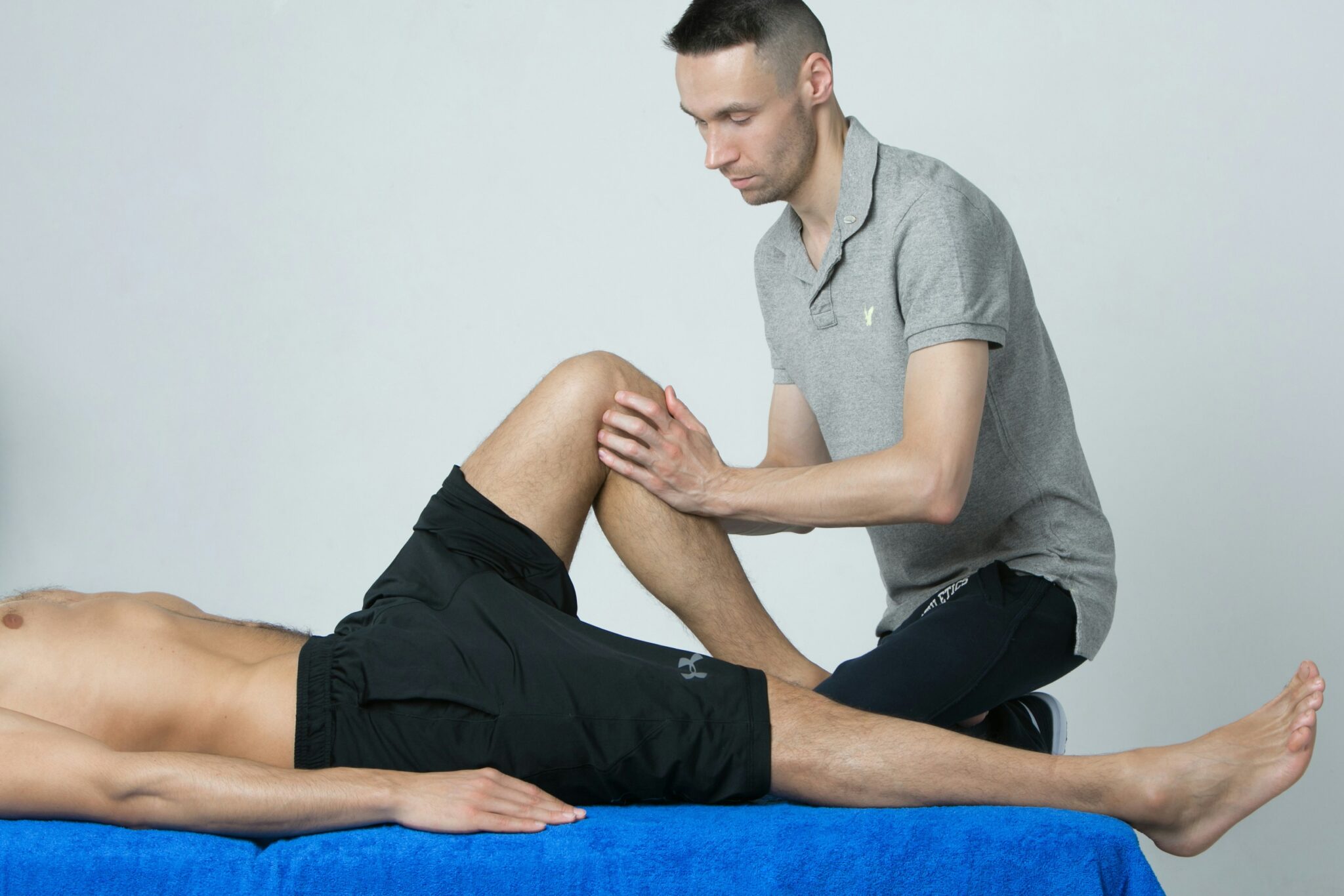
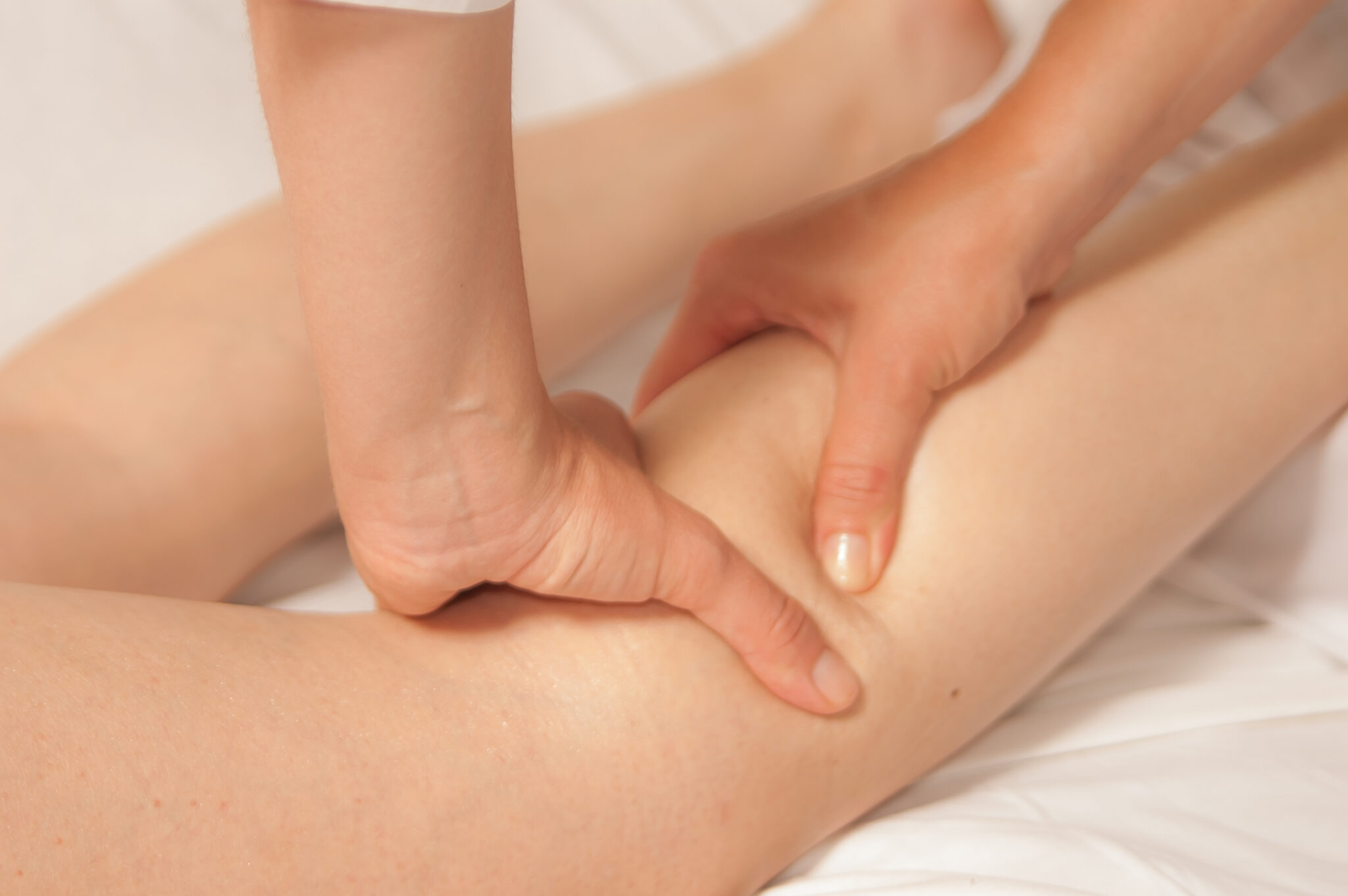
A major part of tendinopathy treatment is gradually rebuilding the strength and capacity of the tendon.
Depending on your symptoms, isometric exercises may be used in the early stages to help manage pain before progressing into a structured strengthening program.
Rather than relying on pain during an exercise alone, we also look at how the tendon responds afterwards and how it feels the following morning.
For some patients, we may use a next-morning pain level of around 3–4 out of 10 as one guide when deciding whether the tendon is tolerating the current level of exercise. This is not a rigid rule for everyone, and your program should be adjusted according to your individual presentation and response.
As your symptoms improve, the exercises can gradually become more challenging so the tendon develops the capacity it needs for your everyday activities, exercise or sport.
Achilles Tendinopathy Treatment
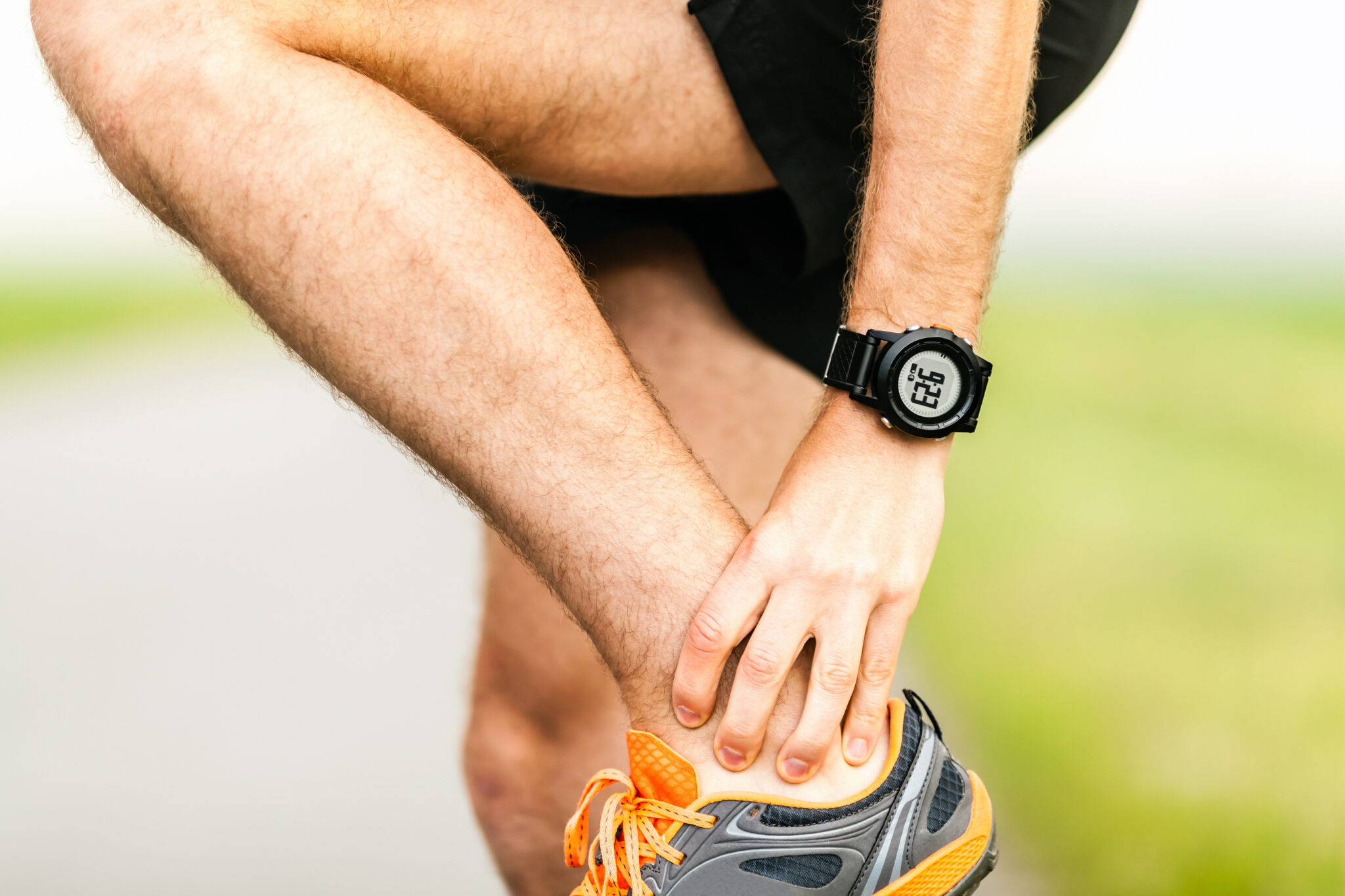
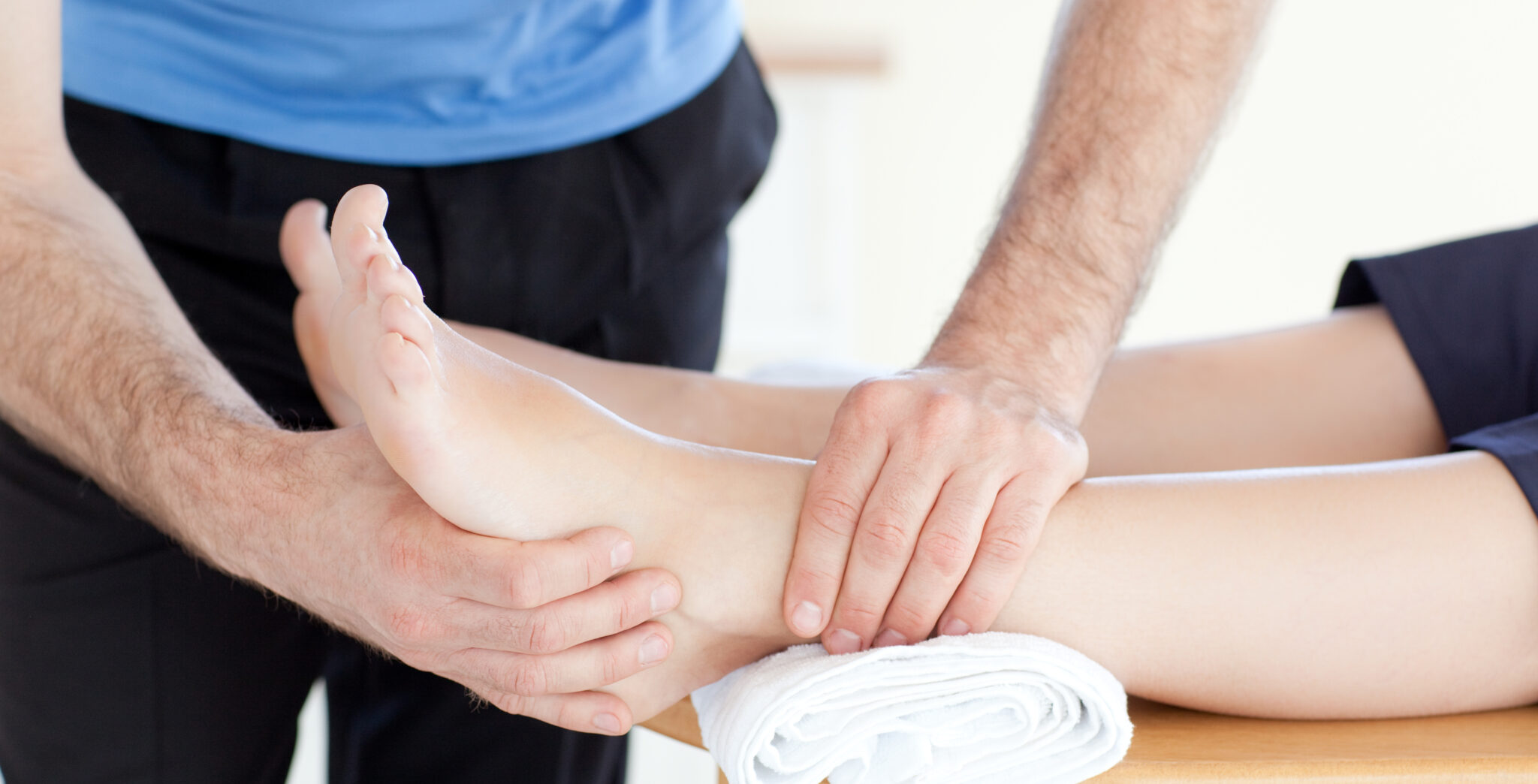
The Achilles is the largest and strongest tendon in the body, and Achilles tendinopathy is something we frequently see in physiotherapy.
It most commonly affects the middle portion of the tendon, although pain can also occur lower down where the Achilles attaches to the heel bone.
Achilles tendinopathy can cause pain and stiffness when you first get moving, discomfort during walking or running, or symptoms when doing activities involving repeated pushing through the foot.
Should you rest with Achilles tendinopathy?
Not necessarily.
Temporarily reducing or modifying an aggravating activity can be useful when the tendon is particularly irritable, but Achilles tendinopathy treatment generally involves progressively reintroducing load rather than simply waiting for the pain to disappear.
Isometric exercises can be useful in the early stages to help manage painful symptoms. As things settle, your physiotherapist can gradually progress your exercises to rebuild strength and load tolerance.
Where the pain is located also matters. If the problem is where the Achilles attaches to the heel, for example, we may initially modify exercises to avoid placing too much stretch or compression through that area.
From there, exercises can progress through different calf-raise variations and increasingly demanding strengthening exercises.
The eventual goal is to build enough capacity for the Achilles to tolerate whatever you need it to do — whether that’s walking comfortably, getting back to the gym, running or returning to sport.
Looking beyond the painful tendon
At RedoHealth, we don’t necessarily assess a painful tendon in isolation.
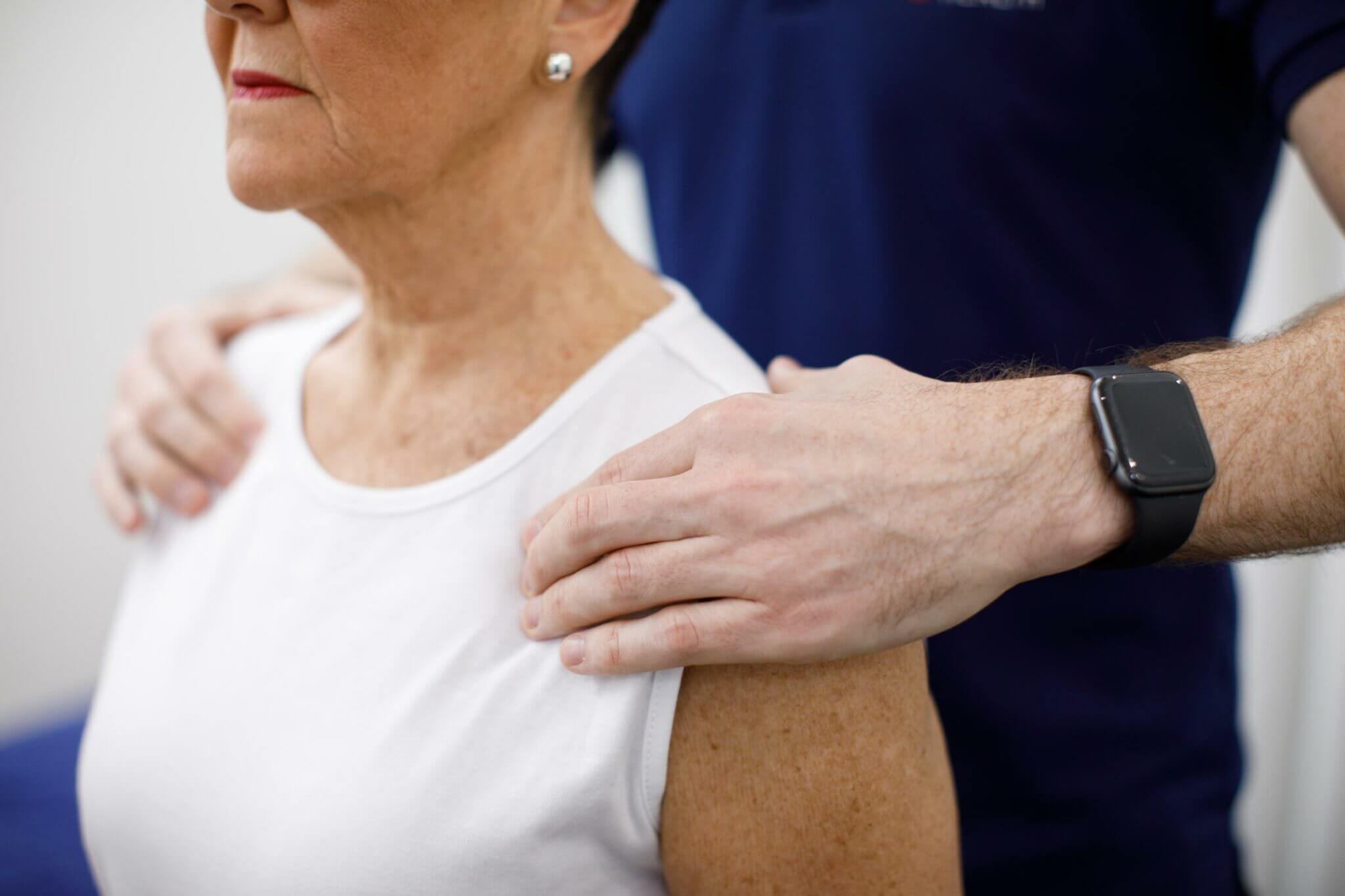
Your physiotherapist may also assess other areas that could be influencing how your body is moving and how load is being distributed.
For someone with Achilles tendinopathy, for example, this could include calf and lower-limb strength, movement patterns, training load and the contribution of areas such as the pelvis or thorax.
The aim is to understand the individual in front of us rather than simply giving everyone with Achilles pain the same exercise program.
Tennis Elbow Treatment – And You Don't Have to Play Tennis
Despite its name, you don’t have to play tennis to develop tennis elbow!
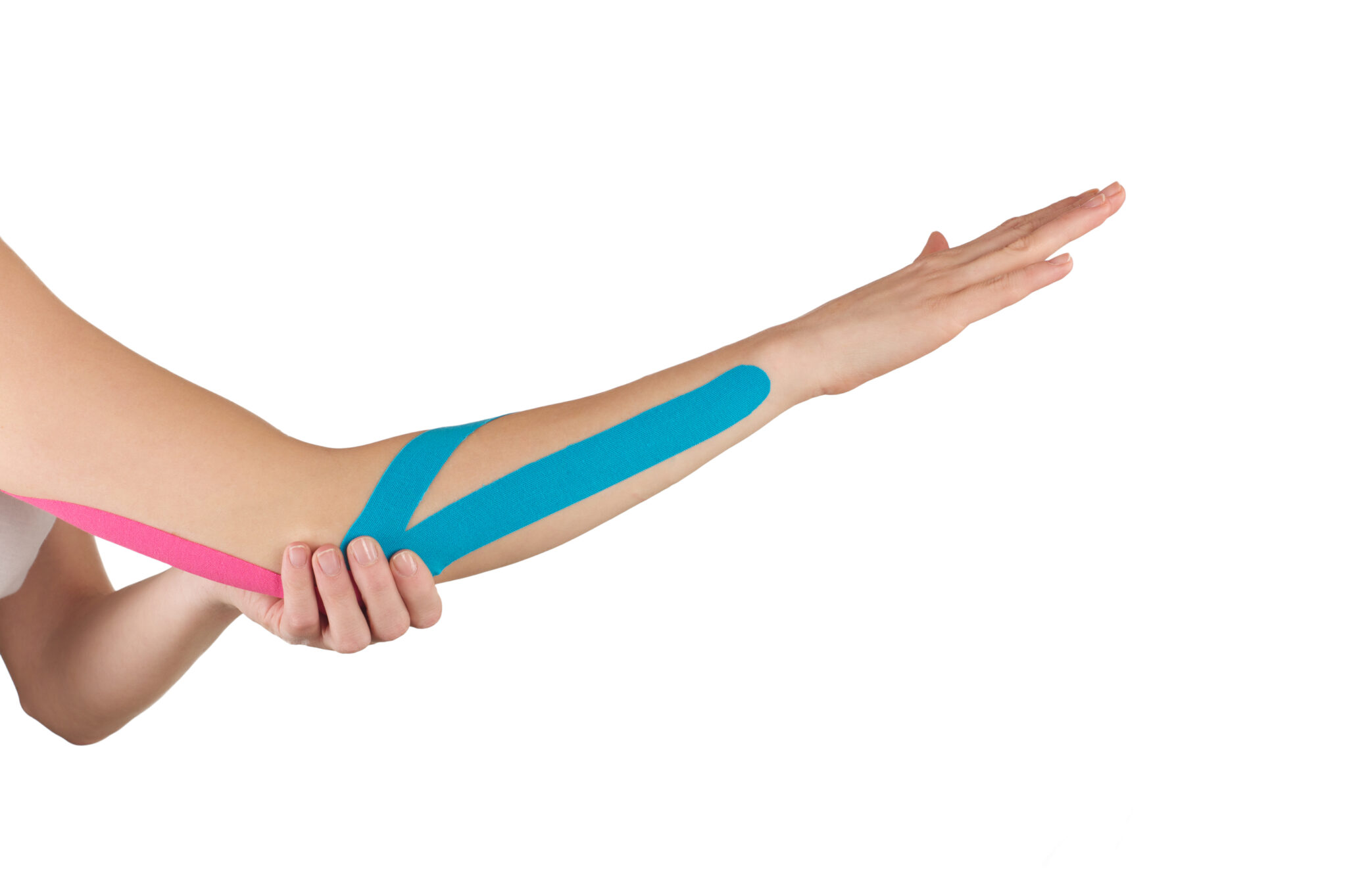
Tennis elbow is another common tendinopathy, with pain typically felt around the outside of the elbow.
Activities involving gripping and lifting can aggravate it, particularly when your palm is facing down and your elbow is straight. Everyday activities such as carrying shopping, using tools, lifting at work or strength training can become uncomfortable.
Tennis elbow treatment generally involves gradually strengthening the muscles and tendons around the elbow and wrist. Exercises may include isometric work, resisted wrist extension and forearm rotation.
Your physiotherapist may also assess other areas that could be influencing how the arm is moving and loading, including the shoulder and thorax.
Tendon rehabilitation takes time, and tennis elbow is no exception. Rather than expecting it to resolve within a few weeks, rehabilitation may continue for several months.
Consistency is important, and some strengthening exercises may need to continue beyond the initial rehabilitation period to maintain the capacity you’ve developed and reduce the likelihood of recurring flare-ups.
Plantar Fasciopathy Treatment for Heel Pain
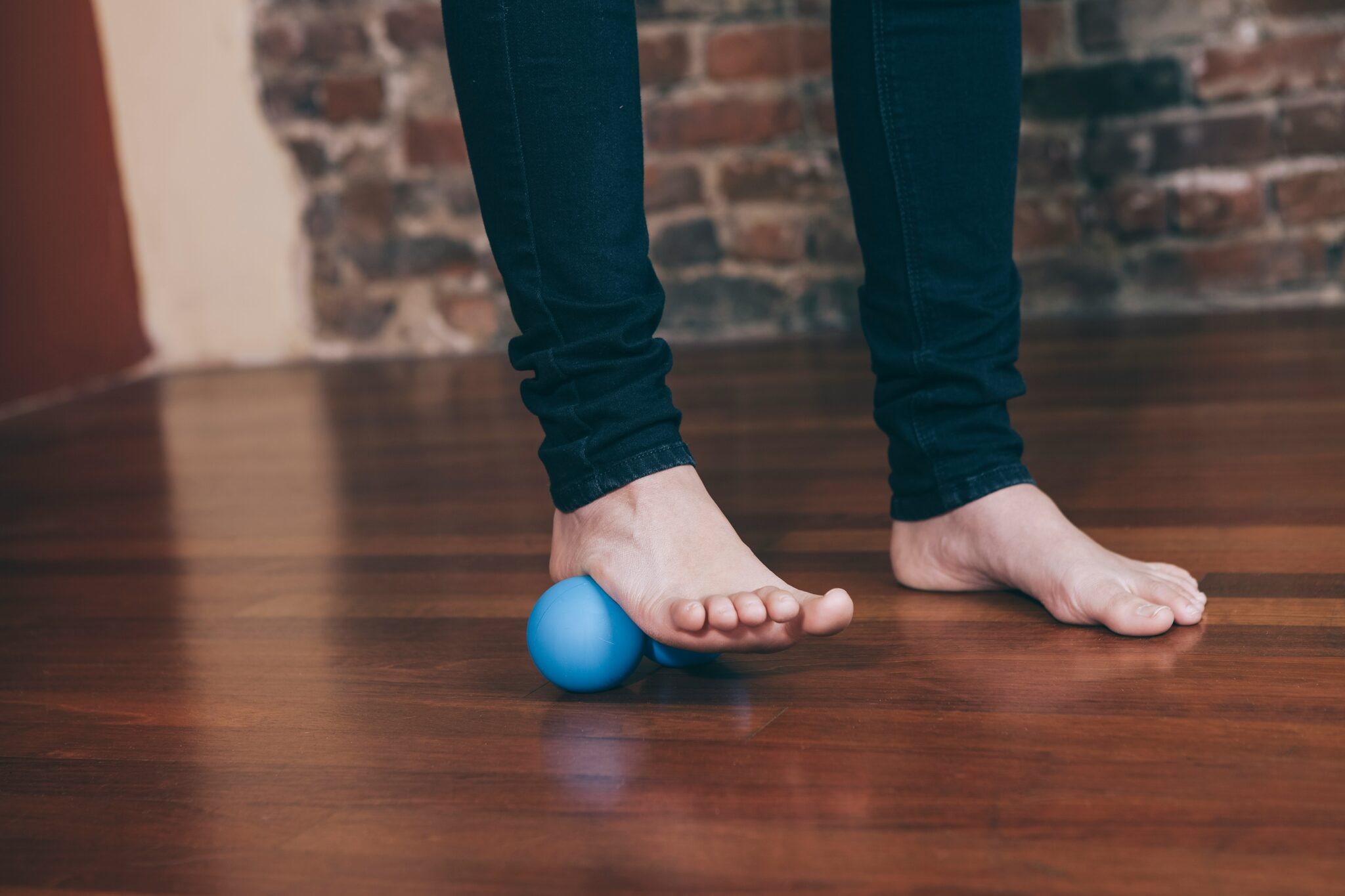
The plantar fascia is a strong band of connective tissue that runs along the bottom of your foot. It helps support the arch, absorb shock and assist with pushing your body forwards when you walk or run.
When the plantar fascia becomes painful, discomfort is usually felt on the sole of the foot close to the heel.
One of the classic symptoms is heel pain during your first few steps after getting out of bed in the morning, or when standing after sitting or resting for a while.
Plantar fasciopathy treatment involves finding the right balance between reducing aggravating load and gradually rebuilding the strength and capacity of the foot and lower limb.
Techniques such as taping may be used to temporarily offload the plantar fascia and help manage symptoms. Stretching the plantar fascia and calf may also be useful for some people.
However, the longer-term goal isn’t simply to protect or stretch the painful area.
Specific loading and strengthening exercises can be introduced and progressively advanced to prepare the foot and lower limb for everyday activities, exercise and sport.
How long does tendinopathy treatment take?
One of the most important things to understand about tendon rehabilitation is that it takes time.
There isn’t one timeframe that applies to everyone.
Recovery will depend on factors including which tendon is involved, how long you’ve had symptoms, how irritable the tendon is, your current strength and activity levels, and what you’re trying to return to.
For some people, rehabilitation will take several months. Strengthening exercises may also need to continue on an ongoing basis after symptoms have improved, particularly when returning to demanding exercise or sport.
The aim isn’t to rush through a program. It’s to progressively build a tendon that can tolerate what you’re asking it to do.
Getting Back to the Activities You Love
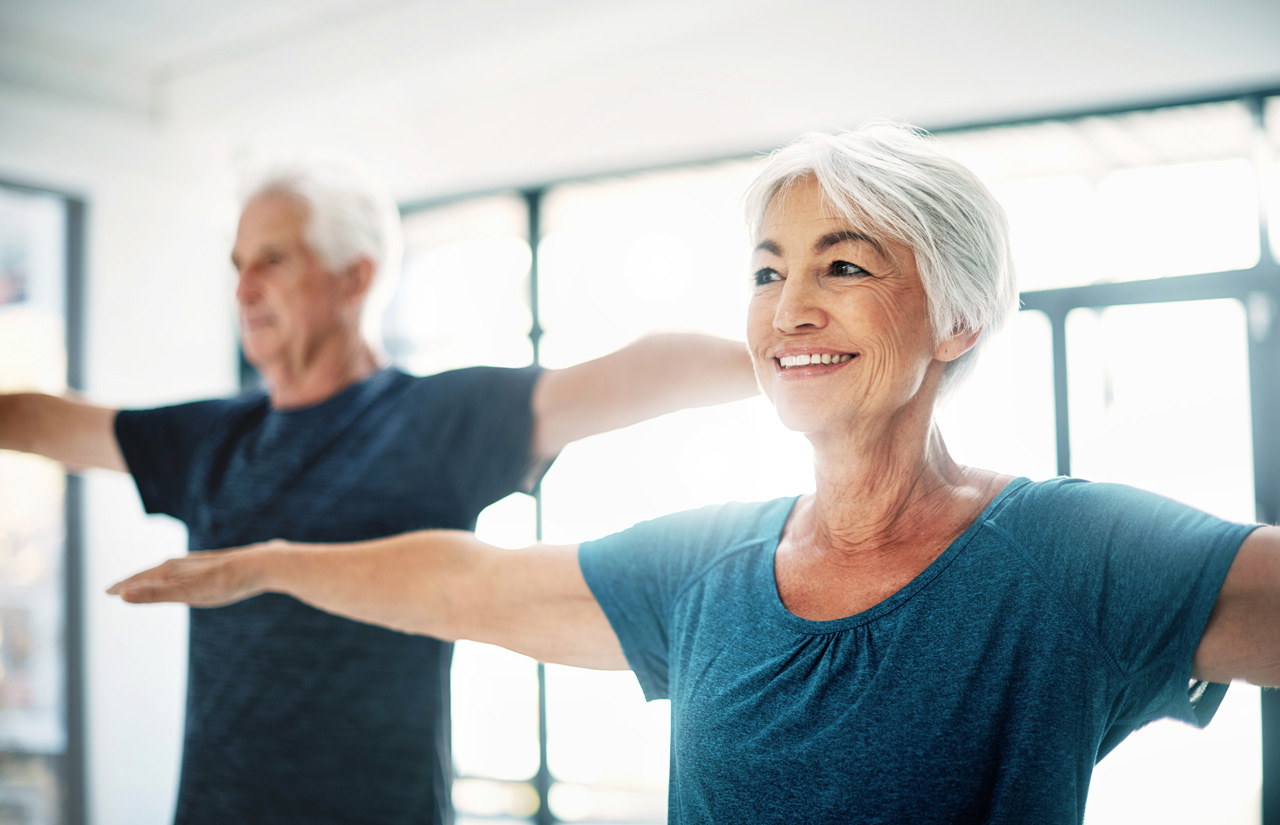
Falls are a leading cause of injury in older adults, and regular balance practice can help reduce this risk. Start with a semi-tandem stance and progress to a single-leg stand in a safe space where you can reach for support if needed.
Progression & Consistency
Tendinopathy can be painful and frustrating, particularly when symptoms repeatedly return every time you try to become more active.
But tendons are adaptable.
With appropriate load management, progressive strengthening and consistency, we can gradually build the capacity of the tendon and help you return to the things that are important to you.
At RedoHealth, tendinopathy treatment isn’t simply about settling the painful area. We look at the tendon, how the rest of your body is contributing, the activities you want to return to and the demands those activities place on you.
From there, we can develop an individual rehabilitation program designed to progressively rebuild strength, movement and confidence.
The goal isn’t simply to reduce tendon pain.
It’s to help you get back to doing what you love.
At RedoHealth in Balmain, our Exercise Physiologist can assess your current strength, balance, and exercise capacity and help develop a program around the things that matter to you.
Whether your goal is travelling, gardening, keeping up with your grandchildren, returning to the gym, or simply feeling stronger and more confident in everyday life, we can help you build the strength and capacity to keep doing what you love.
About Roisin Duffy
Roisin Duffy is a Senior Physiotherapist and APA Titled Musculoskeletal Physiotherapist at RedoHealth, with more than 20 years of experience working across Ireland, Europe and Australia. She holds a Master’s in Musculoskeletal & Sports Physiotherapy and has additional training in ConnectTherapy™ and the Thoracic Ring Approach™.
With a background in competitive middle-distance running, Roisin has a particular interest in sports injuries, running injuries and tendon rehabilitation. Her approach looks beyond the painful area to understand the factors contributing to an injury, before progressively rebuilding strength and function to help people return confidently to the activities and sports they love.