Staying active and maintaining strength after 50 is one of the best ways to support healthy ageing, independence and quality of life.
Whether it’s travelling to new destinations, keeping up with grandchildren in the backyard, tending to a flourishing garden, or simply maintaining the independence to live life on your own terms, our lifestyle motivations drive us. To keep doing what we love, we must support the body through the physiological changes that occur as we age.
Ageing is a universal experience, but a proactive approach can significantly mitigate its impact. While our bodies naturally undergo shifts in muscle mass, bone density, and heart health, these changes don’t have to dictate your quality of life.
Why Your Body Changes (And Why Exercise Matters)
As we get older, several natural physiological changes can become more noticeable, particularly if we become less active:
- Sarcopenia: Without regular resistance exercise, we tend to gradually lose muscle mass, strength, and power as we age. Over time, this can make daily tasks like climbing stairs or standing up from a chair feel more difficult, while also reducing the quick reactions needed to recover from a stumble.
- Cardiovascular Health: Your heart and muscles can become less efficient at using oxygen, which can lead to feeling out of breath during daily tasks like gardening or walking.
- Bone Density (Osteoporosis): Bone density naturally declines over time, particularly later in life, which can make bones more susceptible to fractures. Resistance training and appropriate weight-bearing and impact exercise can help support and maintain bone health.
The good news? Physical activity is a great way to combat these changes. By incorporating strength training and regular movement, you can actively slow these processes and stay functional for longer.
Why Is Strength Training Important After 50?
Strength training becomes increasingly important as we age because it helps maintain the muscle strength and physical capacity we need for everyday life.
Regular resistance exercise can help maintain muscle mass, support bone health, improve balance and make everyday activities such as getting out of a chair, climbing stairs, carrying groceries or working in the garden easier.
Strength training doesn’t necessarily mean lifting heavy weights in a gym. Exercises can be adapted to your current ability and progressively challenged as your strength and confidence improve.
The Weekly Goal
To keep your body functioning at its best, aim for 150–300 minutes of moderate physical activity per week, paired with at least 2 days of resistance-based exercise and regular balance training.
If you’re just starting out, don’t be intimidated by these numbers. Start small with 5–10 minutes of walking daily and build your routine gradually.
5 Best Exercises for Strength and Healthy Ageing After 50
These five movements target some of the key physiological changes that occur during ageing: cardiovascular fitness, muscle strength, grip, core stability, and balance.
1: Walking (Cardio):
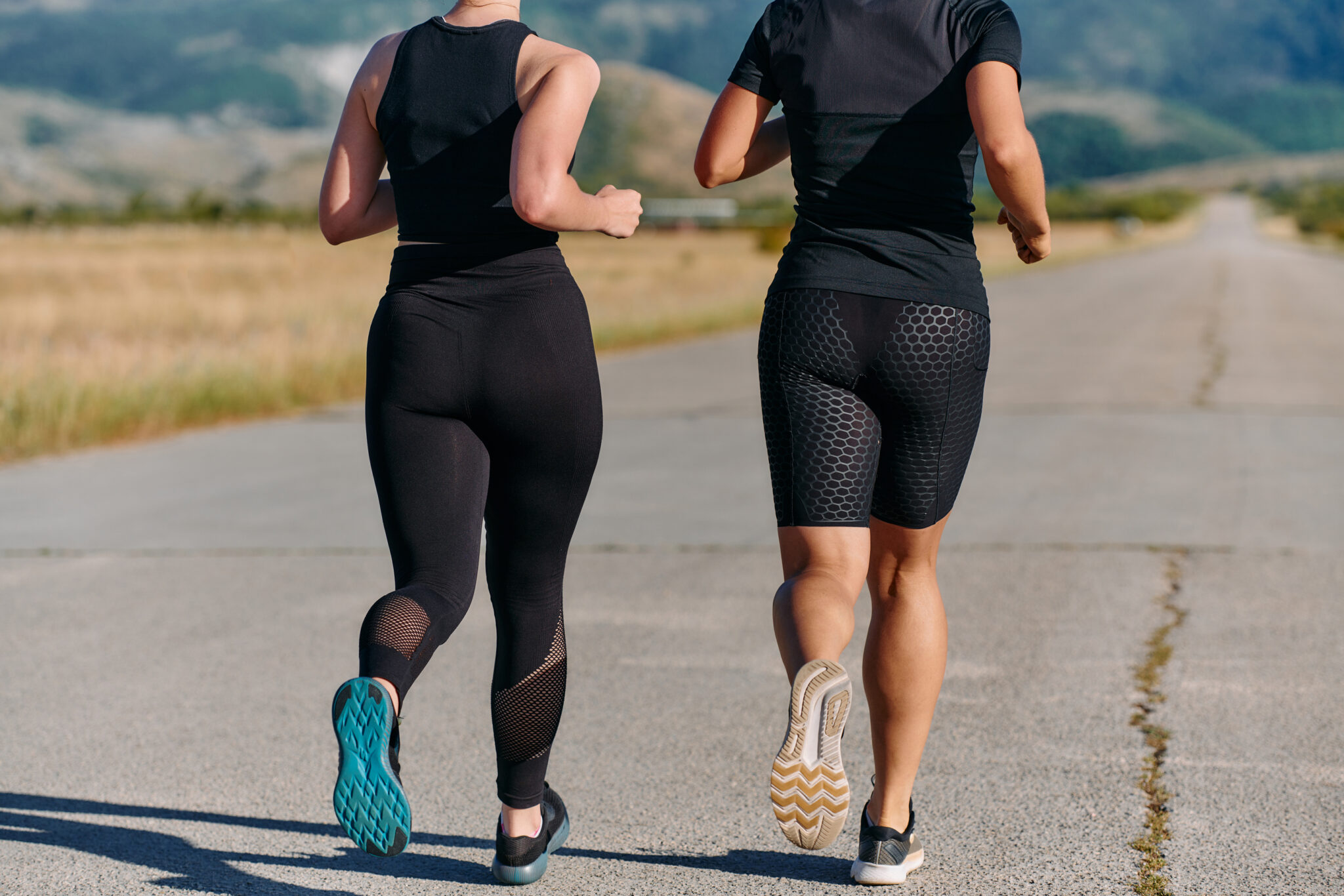
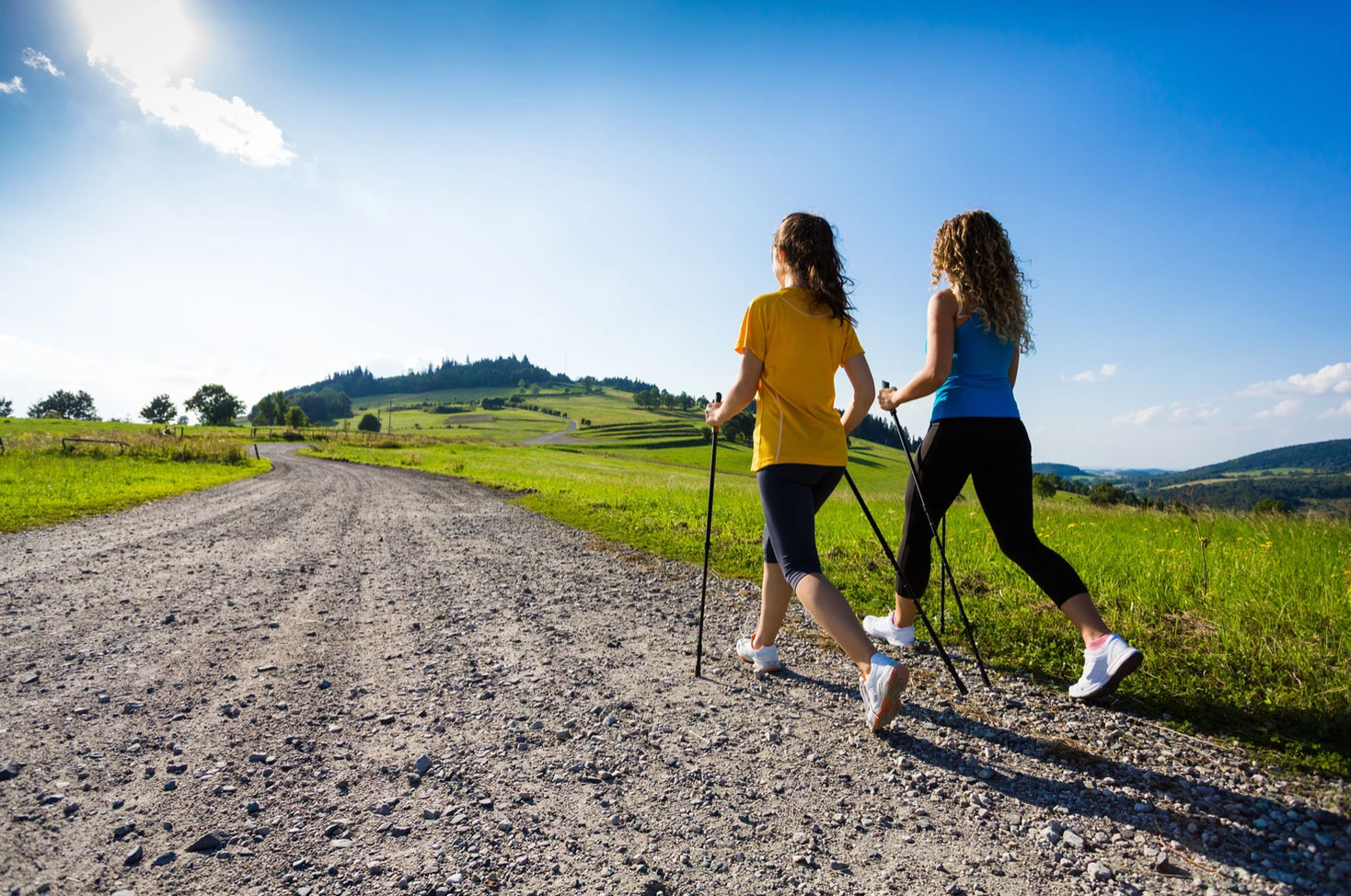
The ultimate low-impact exercise. It supports your heart health and can be easily adjusted by changing your speed, duration, or the terrain you walk on. Building your walking capacity can help you keep doing the things you enjoy, from travelling and bushwalking to keeping up with family.
2. Squats (Lower Body Strength):
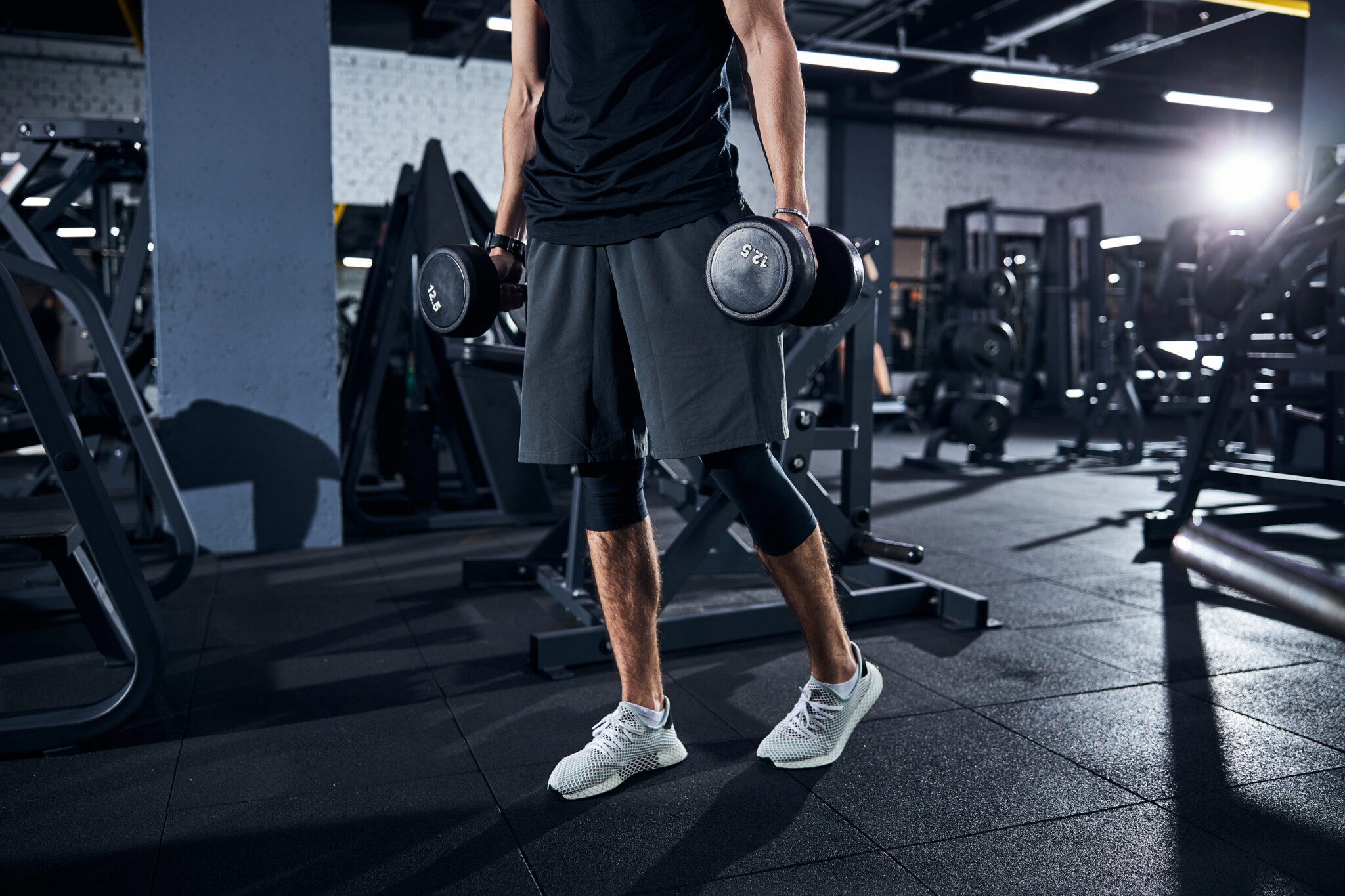
A great exercise for combating age-related losses in strength. Squatting also builds the strength you need for everyday tasks such as getting out of a chair, climbing stairs, or working in the garden. If a traditional squat is too difficult, start by using a chair or bench to limit your range of motion. If it’s too easy, hold a weight to increase the challenge.
3. Push-ups (Upper Body Strength):
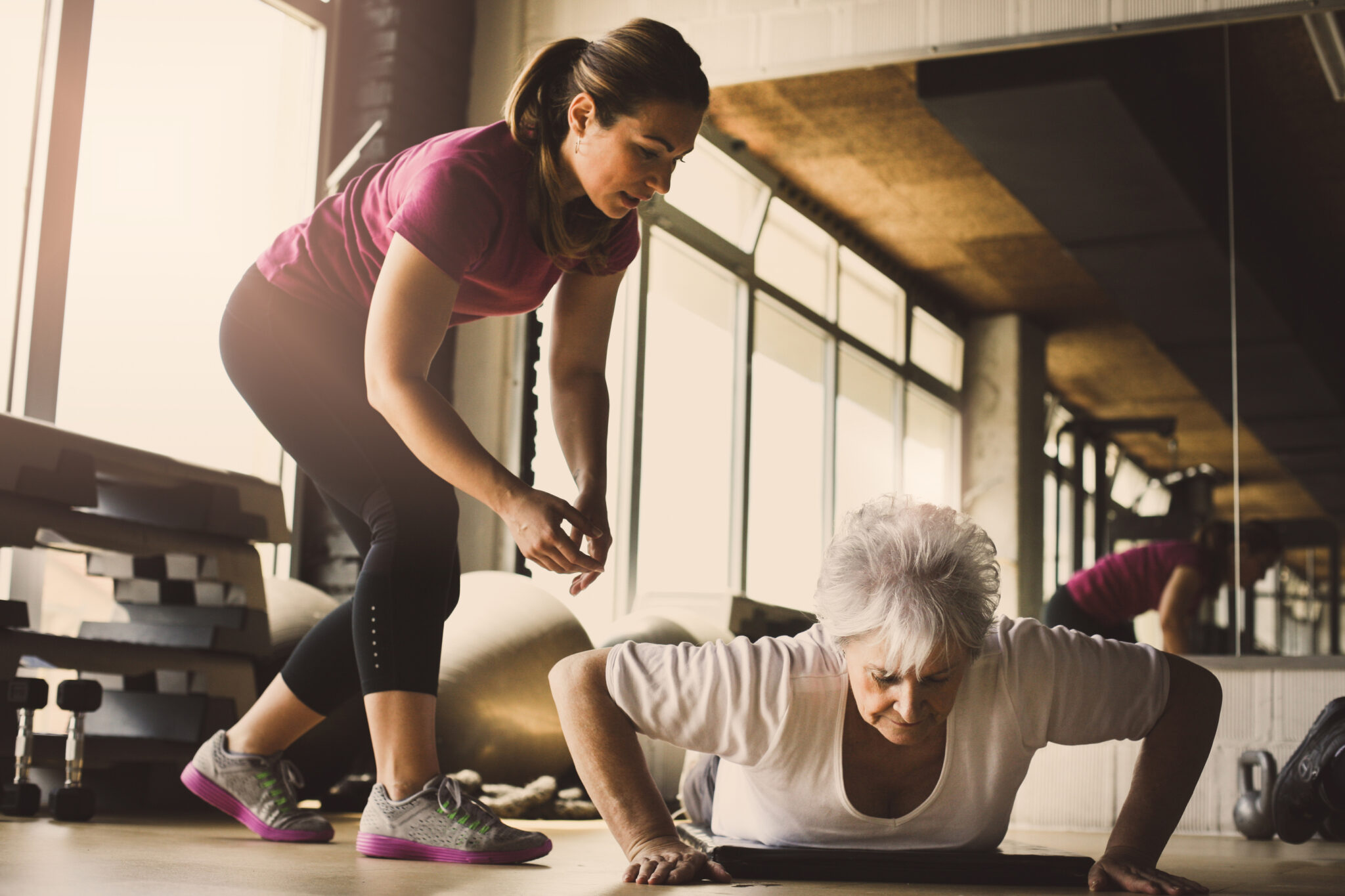
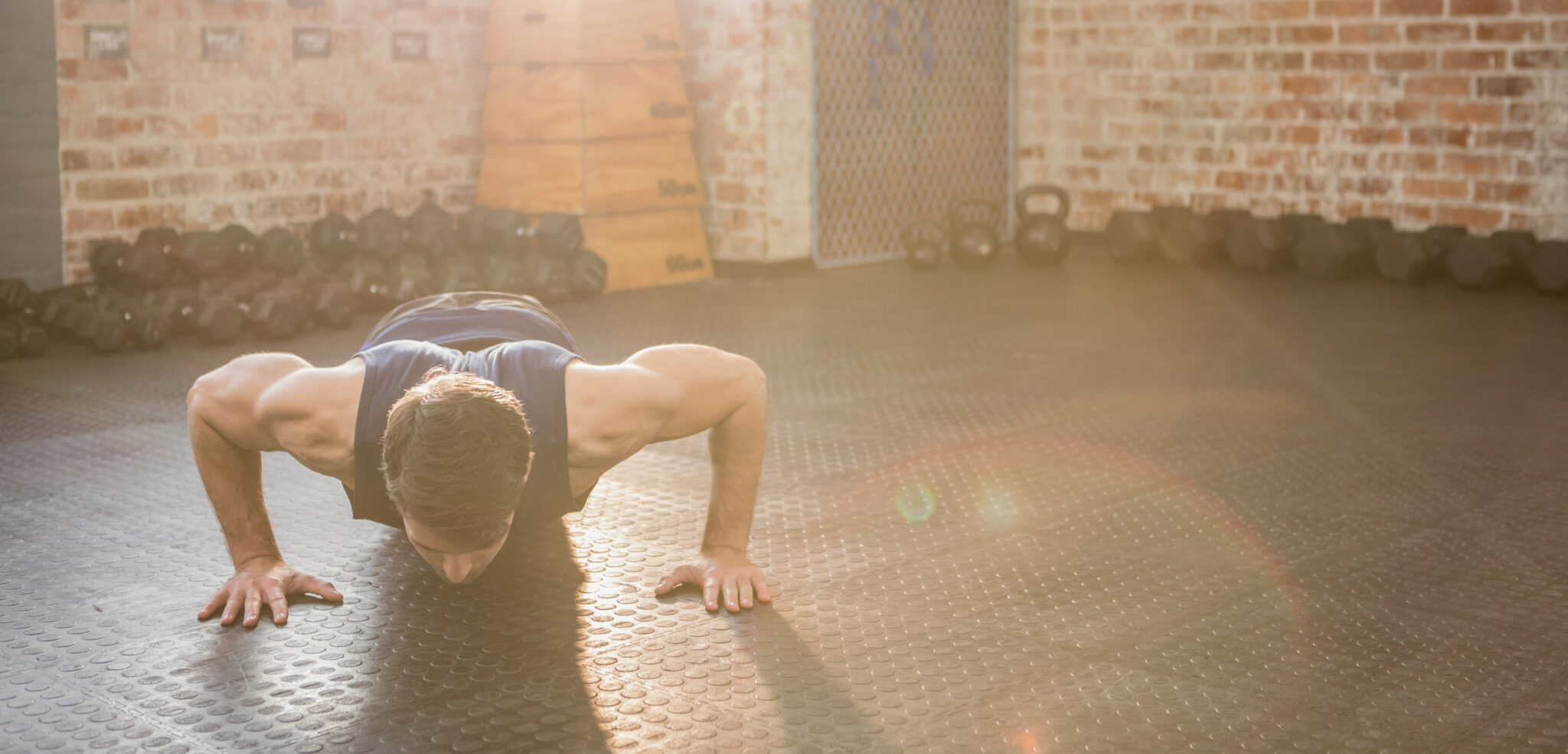
These build upper-body strength for daily life. You can modify these to your current strength level by starting against a wall, moving to a bench, or using your knees on the floor.
4. Carrying (Torso & Grip Strength):
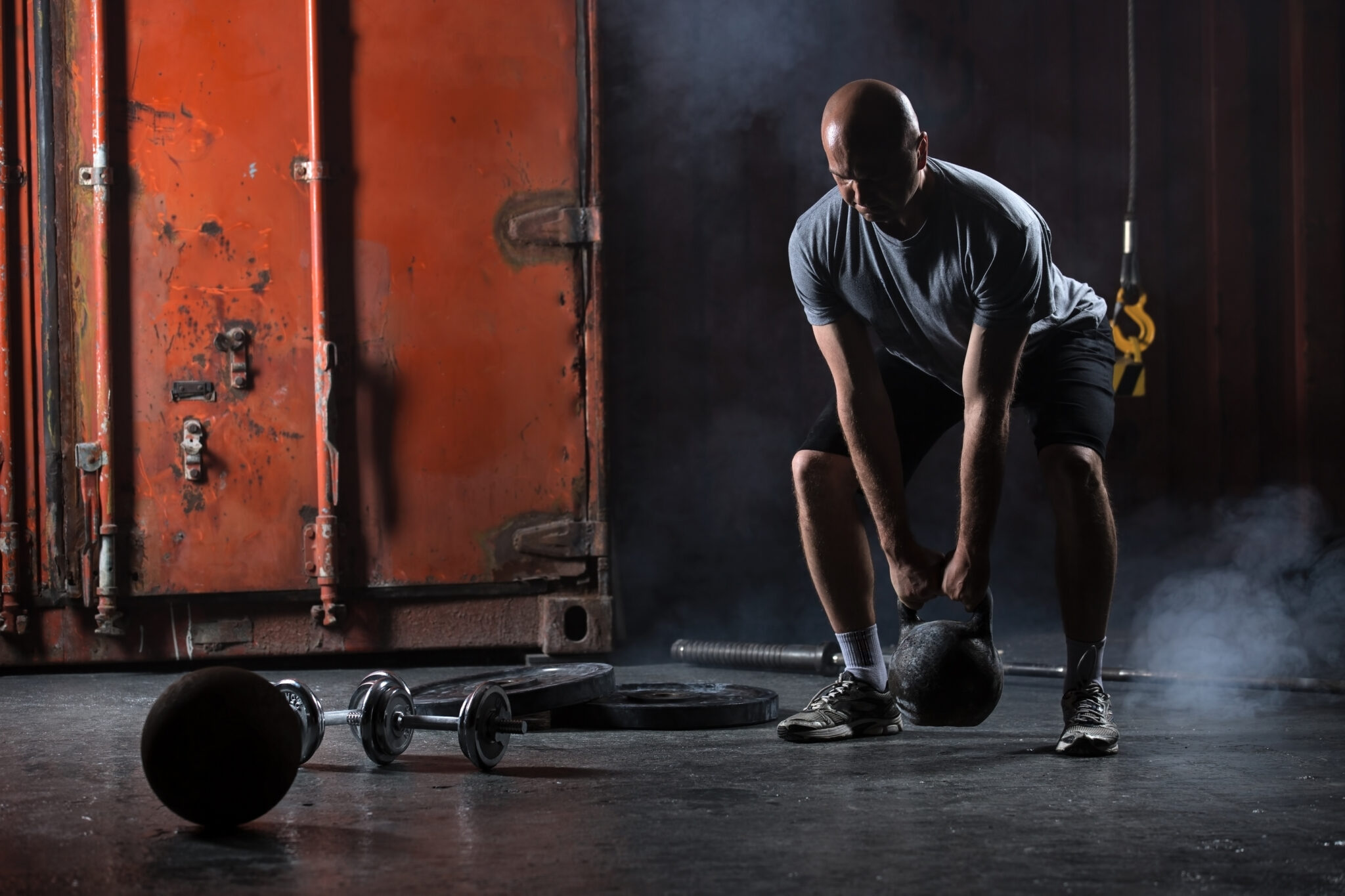
Whether it’s a “farmer’s carry” (weights in both hands) or a “suitcase carry” (weight in one hand), this builds grip and torso stability—useful for everyday activities like carrying groceries, luggage, or gardening equipment. Choose a weight that feels challenging but allows you to maintain an upright, tall posture without leaning for about 30–60 seconds.
5. Balance Training:
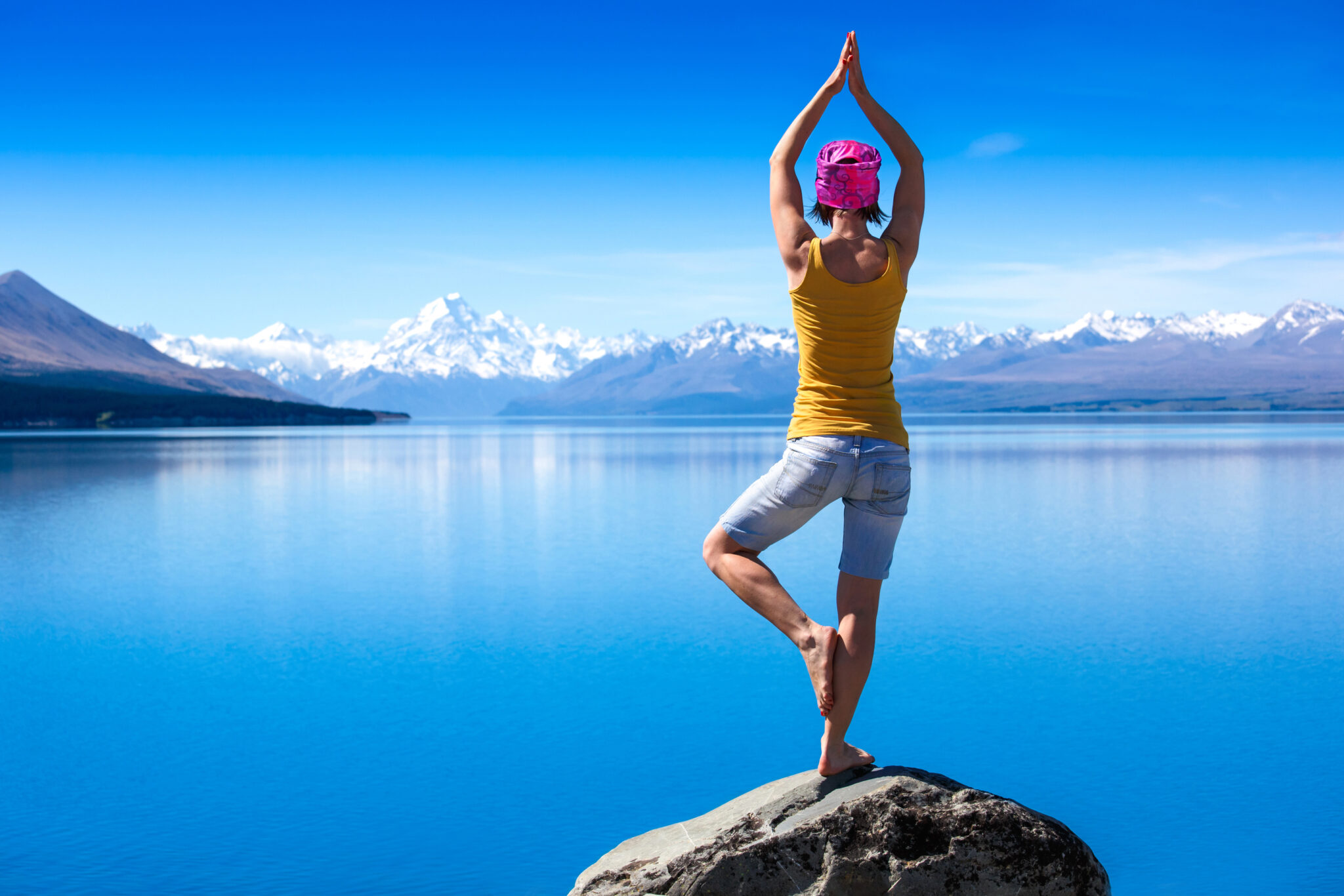
Falls are a leading cause of injury in older adults, and regular balance practice can help reduce this risk. Start with a semi-tandem stance and progress to a single-leg stand in a safe space where you can reach for support if needed.
Progression & Consistency
To continue reaping benefits, aim for gradual progression. As exercises feel easier, slowly increase the weight, add a few more repetitions, increase your range of movement, or walk a little further or faster. Your body adapts to the challenge you give it, so continuing to progress your exercise over time is important. Consistency is key to maintaining these hard-won gains.
As your strength improves, exercises can also be progressed to incorporate faster movements where appropriate. Maintaining not only strength but also power—our ability to produce force quickly—is important for activities such as climbing stairs and reacting quickly if you lose your balance.
If you’re unsure where to start, have an injury or health condition, or want an exercise program tailored to your goals, an Exercise Physiologist can help you exercise safely and progress appropriately.
Ultimately, it is never too early or too late to start investing in your physical health. Every bit of movement is a step toward preserving your independence and enhancing your quality of life for years to come.
Exercise Physiology and Healthy Ageing in Balmain
At RedoHealth in Balmain, our Exercise Physiologist can assess your current strength, balance, and exercise capacity and help develop a program around the things that matter to you.
Whether your goal is travelling, gardening, keeping up with your grandchildren, returning to the gym, or simply feeling stronger and more confident in everyday life, we can help you build the strength and capacity to keep doing what you love.
Frequently Asked Questions
What is the best exercise for people over 50?
There isn’t one single best exercise for everyone over 50. A well-rounded exercise routine should include cardiovascular activity, strength training and balance exercises. The right combination will depend on your current fitness, health, goals and the activities you want to continue doing.
How often should people over 50 do strength training?
Aim to include resistance-based exercise at least twice per week. The exercises and intensity should be appropriate for your current ability, with gradual progression as you become stronger.
Is it too late to start strength training after 50?
No. It is never too late to start becoming stronger and more active. If you haven’t exercised for some time, starting gradually and choosing exercises appropriate to your current ability can help you build strength and confidence safely.
About Josh Gillon
Josh Gillon is an Accredited Exercise Physiologist at RedoHealth in Balmain. With a Bachelor of Applied Science in Exercise Physiology from UNSW, Josh uses evidence-based exercise and a holistic approach to help people build strength, improve their fitness and work towards the activities that matter to them. He is passionate about creating individualised exercise programs that support long-term health, confidence and an active lifestyle.
Â
References:
von Haehling, S., Morley, J. E., & Anker, S. D. (2010). An overview of sarcopenia: Facts and numbers on prevalence and clinical impact. Journal of Cachexia, Sarcopenia and Muscle, 1(2), 129–133. https://doi.org/10.1007/s13539-010-0014-2