
Golf Physiotherapy

Improve Performance & Prevent Injury

Physiotherapy for golf is designed for those players who are looking to optimise their game. Whether you have recurring injuries or just want to improve your condition, golf physio is a vital part of your swing.

Coaches can help work on technique and mental aspects of golf, but the physical side is often overlooked. Without addressing physical limitations, you may be leaving a few strokes on the course.

Physical limitations, such as reduced range of movement, decreased strength or a lack of coordination, can influence how a golfer moves during their swing. Reduced rotation around the hips or spine will lead to compensation elsewhere.

These compensations may increase stress in certain areas, such as the lower back or shoulders, as well as decreasing performance.

If you want a clearer swing, more distance and fewer injuries, start with how your body moves. Mobility gives your technique room to breathe.

An initial appointment for golf physiotherapy will involve:

We have a special interest and experience working with clients presenting with:

A golf physiotherapy assessment will begin like most others, including taking a detailed history of your present condition, with a focus on golf specifics. In addition, you will be checked for joint mobility, spine movement, pelvic and trunk control, as well as range and strength.

Instead of focusing on isolated joints or general strength, golf specific physio examines how you function during the demands of the golf swing.

We aim to find the real root of the issue and create a plan to address this, increasing your performance.

Often those presenting to the clinic have some level of pain, either while playing golf or afterward as a result. This can dramatically hinder your game and take the fun out of it.

We aim to not only help improve performance but also alleviate any pain you may have, getting you back to your best.

Some injuries can occur due to your swing and body mechanics, or you may have suffered an injury and would like to be able to get back to playing golf.

We can help in your recovery from injury as well as preventing these types of injuries from occurring again. We don’t just treat the symptoms, we work out why they occurred.

Key Mobility Areas for a Powerhouse Swing

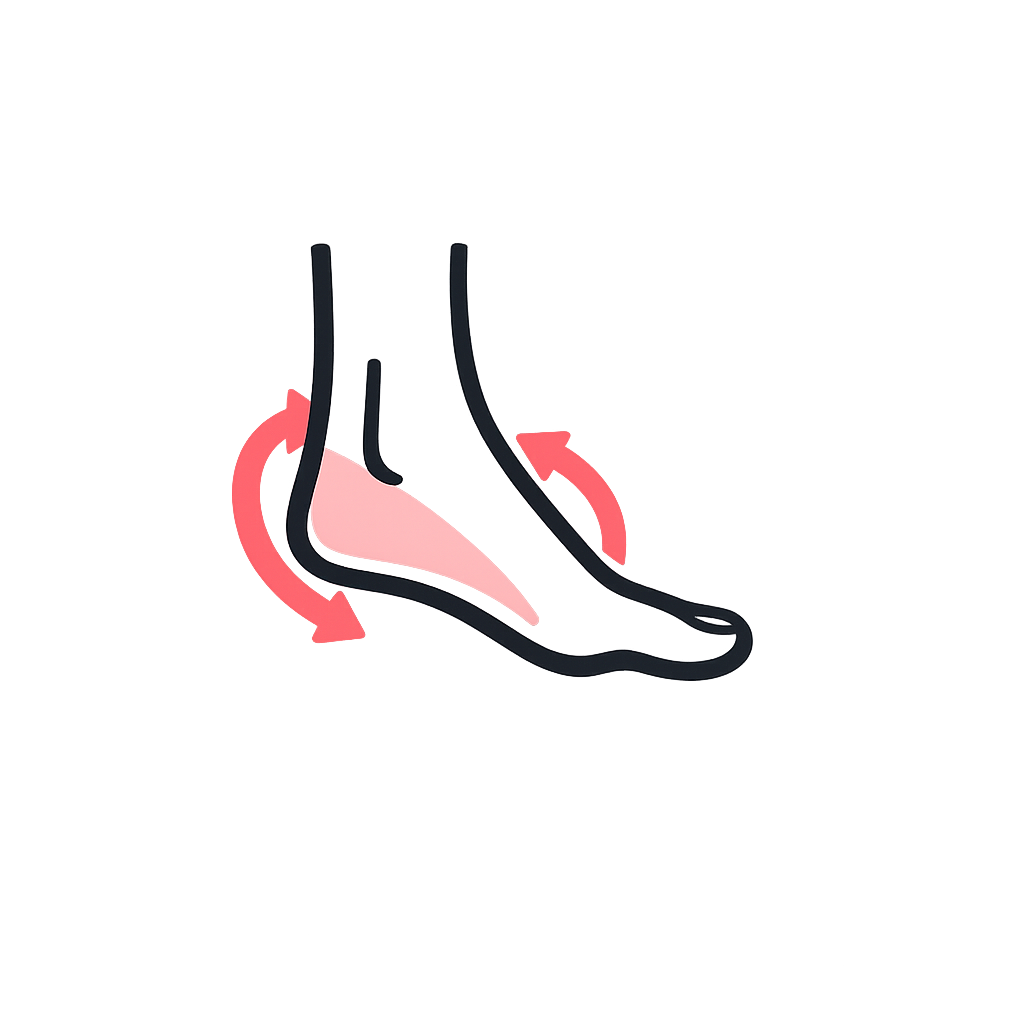
Copilot 20260708 120725

Ankle mobility

better ankle mobility lets you load pressure into the trail side and shift weight smoothly through impact. It supports stable rotation and reduces stress up the chain into the knee and hip.
Copilot 20260708 120727

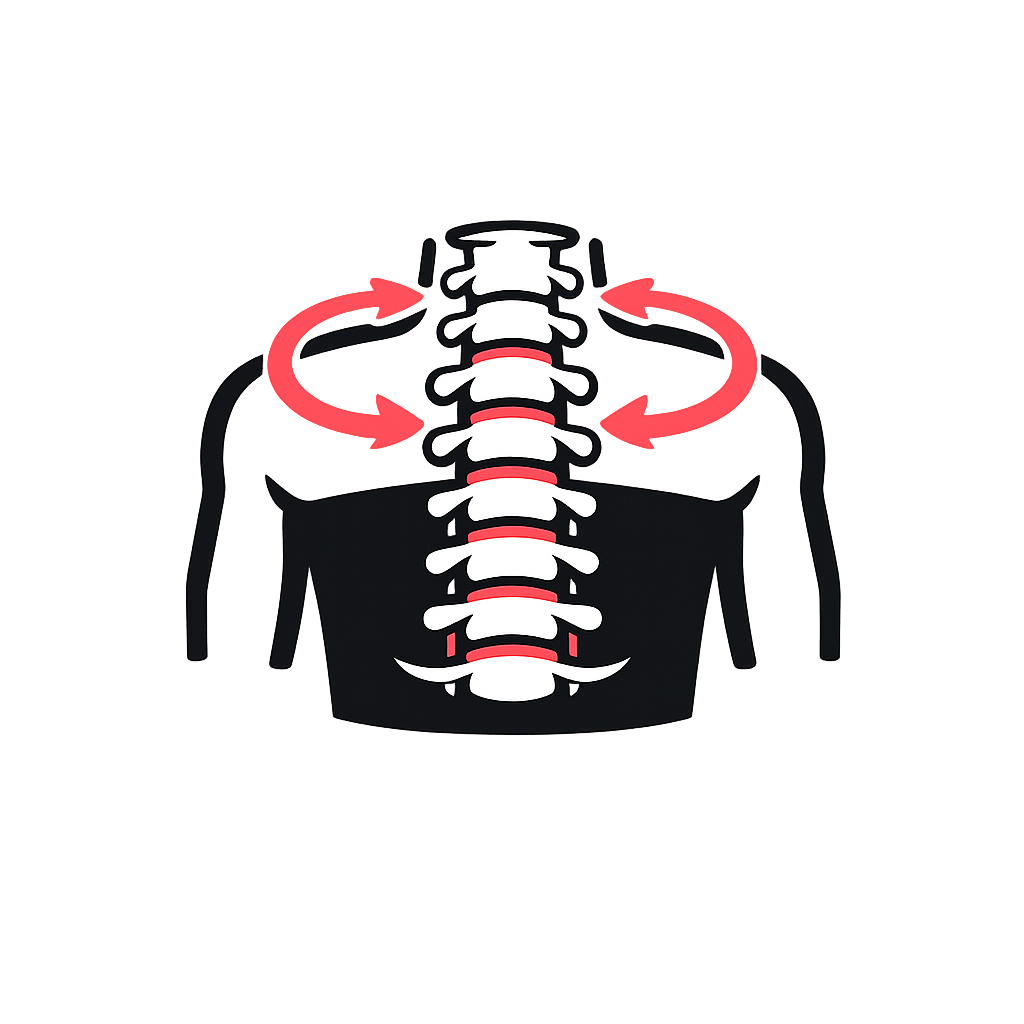
Thoracic rotation

your upper back drives rotation in the swing. More mobility here means easier turning, a bigger coil and less strain on the lower back

Copilot 20260708 120728

Hip mobility

your hips guide rotation. When they move well, you generate force efficiently and protect the lower back.

Copilot 20260708 120730

Pelvic + trunk separation

good pelvic control allows the hips and ribcage to rotate independently. This improves power, sequencing and reduces stress on the spine during fast swings.
Copilot 20260708 120733

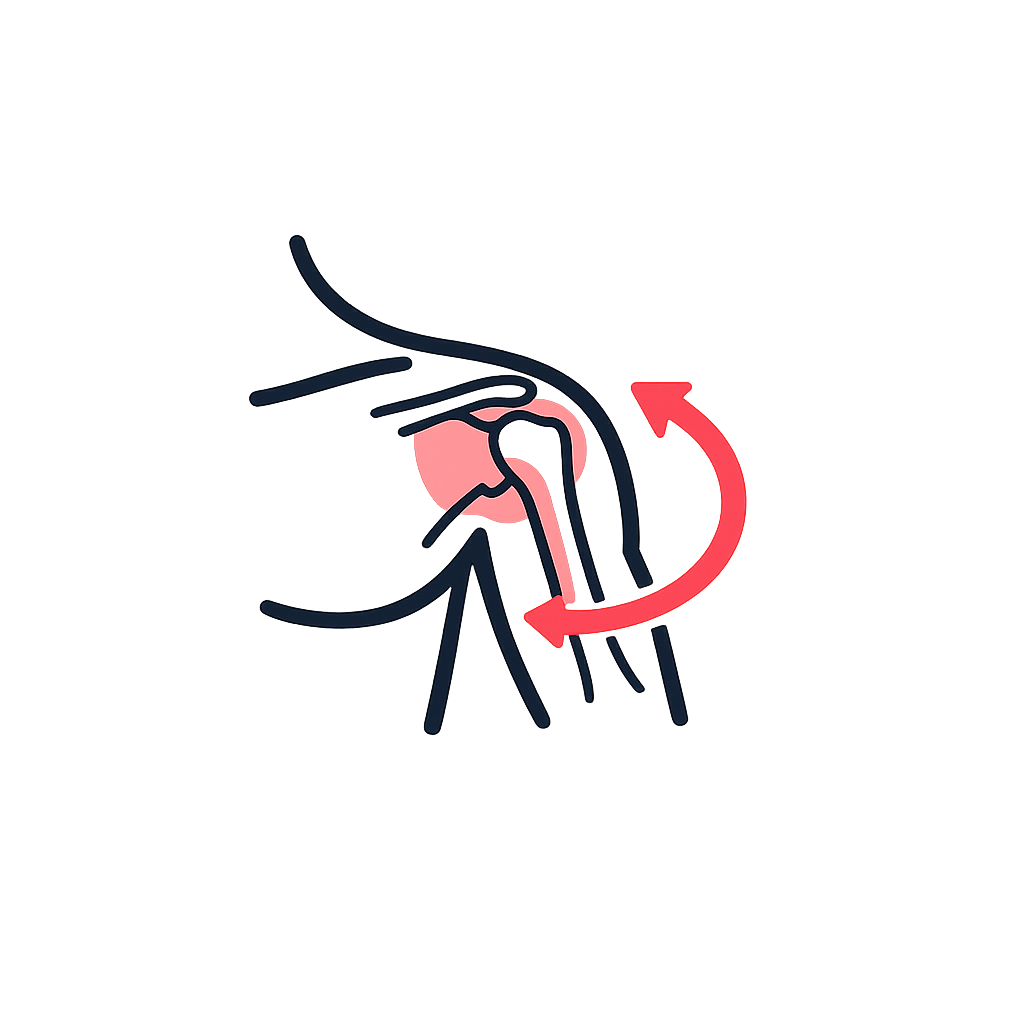
Shoulder mobility

smooth shoulder motion supports a full backswing, clean arm path and consistent clubface control. It protects the rotator cuff during high-speed changes of direction.
Copilot 20260708 120735

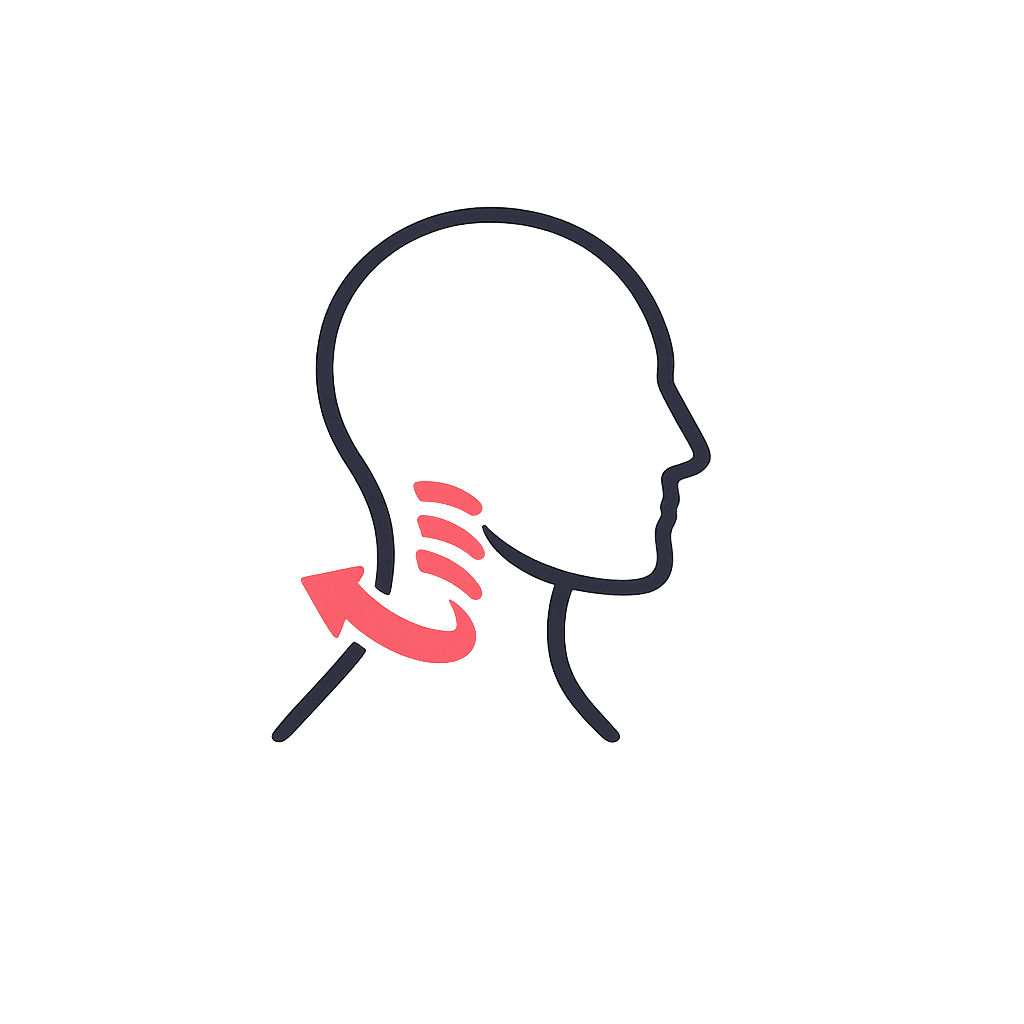
Neck mobility

a mobile neck keeps your eyes steady on the ball without locking up your swing. It also reduces tension that can affect rotation and timing.
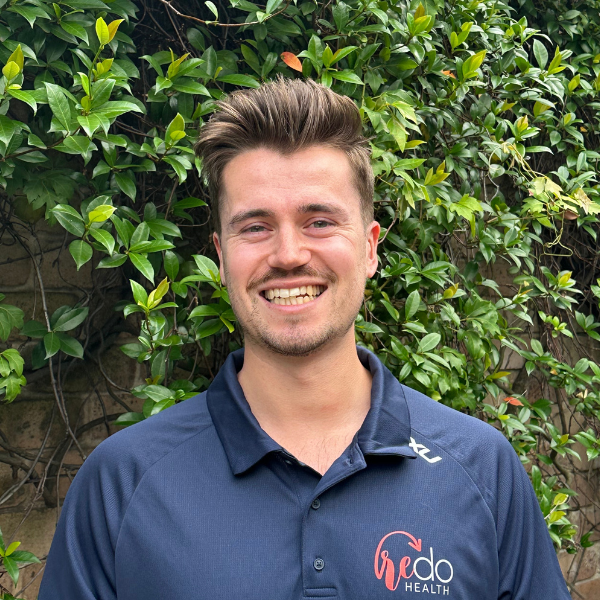
Our physiotherapists work with patients to develop customised programs to improve their functional ability and movement. 

Lawrence McGrath
Physiotherapist

Lawrence is driven by seeing people walk out of the clinic pain free, more confident, and performing at a higher level than when they walked in. He takes a results-focused approach to physiotherapy, helping clients not only overcome pain but build resilience, strength, and long-term performance.

BOOK IN TODAY:

Meet Lawrence McGrath, who uses his Physiotherapy approach to improve Golf Physiotherapy

Lawrence is driven by seeing people walk out of the clinic pain free, more confident, and performing at a higher level than when they walked in. He takes a results-focused approach to physiotherapy, helping clients not only overcome pain but build resilience, strength, and long-term performance.

Lawrence graduated with a Master of Physiotherapy from the University of Bradford and also holds a Bachelor of Science in Sport Rehabilitation (First Class Honours). He has worked across private clinics in both Australia and the UK, as well as within the NHS, gaining extensive experience treating a wide range of musculoskeletal conditions.

Search

Add Your Heading Text Here