If you’ve ever rolled an ankle or tweaked a muscle, you’ve probably been told to “RICE it” — Rest, Ice, Compression, Elevation.
This has been the mantra for acute injury recovery for decades. But as our understanding of pain, inflammation, and healing has evolved, so to has the best way to manage these injuries.
This is where PEACE & LOVE comes in.
An evidence-based approach to recovery that is now solely focused on reducing pain, but also on restoring optimal function – improving movement, strength and your confidence!
Why RICE May No Longer Apply For Injury Recovery
The RICE method, first introduced in the late 1970s, was designed to reduce swelling and pain after injury.
While that can feel helpful in the short term, we now know that:
- Inflammation is essential and a natural part of the healing process for soft tissues.. Suppressing it with ice or anti-inflammatories may impact healing and recovery.
- Too much rest can lead to stiffness, weakness, and slower return to function. This is why many of us Physio’s who often call it “Relative Rest” – taking it easy initially to minimise pain and aggravation.
- Passive recovery doesn’t address the mental and physical confidence needed for long-term healing.
These are the key reasons why Physiotherapists and other clinicians are getting behind PEACE & LOVE – a more active, patient-centred approach.
🕊️ PEACE: The Immediate Response (0–3 Days) for Injury Recovery
P – Protect:
Limit movement and avoid painful activities in the early phase to prevent aggravation and further injury.
E – Elevate:
Raise the injured area above heart level to help decrease swelling.
A – Avoid anti-inflammatories:
Inflammation is part of your body’s natural repair process — don’t rush to suppress it. So no Nurofen or Voltaren.
C – Compress:
Use elastic bandages, tubigrip or taping to control swelling and provide support.
E – Educate:
Learning and understanding your injury, timeline, and recovery goals is vital. At RedoHealth, we prioritise patient education — it empowers you to take control of your recovery. So if you are unsure how to manage an acute injury this is where we can help!
💕 LOVE: The Active Recovery Phase For Injury Recovery
L – Load:
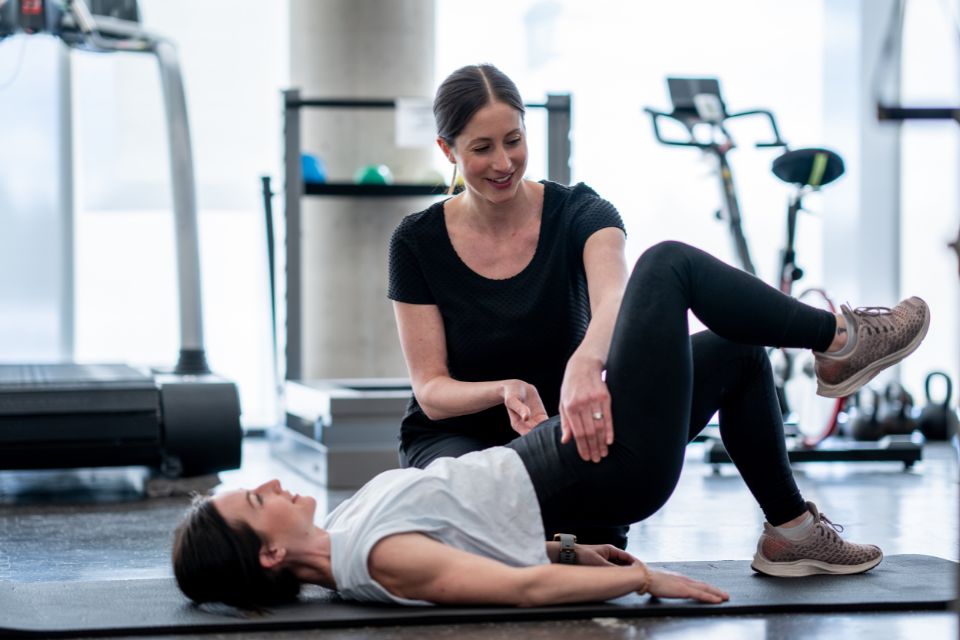
Slowly and gradually reintroduce movement and strength exercises. Progressive loading is beneficial to help tissues repair and adapt.
O – Optimism:
Your mindset matters! Positive expectations are linked to better recovery outcomes. No injury is ever convenient, but most injuries generally heal along a predictable timeline.
V – Vascularisation:
Pain-free aerobic activity like walking, cycling, or swimming improves blood flow to the injured area and promotes healing.
E – Exercise:
Specific and targeted exercises help to restore mobility, balance, and strength — preventing future injuries.
🌱 Beyond Healing: Building Long-Term Resilience
Injury recovery doesn’t end when the pain fades. True rehabilitation continues into building strength, confidence, and resilience — both physically and mentally.
At RedoHealth, we help clients move beyond just “feeling better” to performing better than before the injury. This means:
Identifying and addressing movement patterns that contributed to the injury
Improving overall strength, mobility, and balance
Gradually returning to sport, work, or daily activities with confidence
Our goal isn’t simply to get you back to where you were — it’s to help you come back stronger, smarter, and more in tune with your body.
⚖️ PEACE & LOVE in Practice For Injury Recovery
At RedoHealth, our physiotherapists use the PEACE & LOVE framework as part of an active, movement-based recovery plan.
Rather than resting too long or relying solely on passive treatments, we help you:
- Move safely and confidently
- Build long-term strength and resilience
- Understand your body and recovery process
Key Takeaway
RICE had its time, and it does work,
But we now have a much better understanding how the healing process and thus the way you recover has evolved beyond RICE.
The next time you experience an injury, remember:
“Have PEACE in the beginning, and show your body some LOVE as you heal.”
Your body is strong and adaptable.
With the right advice and movement, you can return to doing what you love — faster, safer, and stronger than before.